BETWEEN TWO WORLDS
Maia Teemusk on Idiot, social divides and the freedom to tell her own story
Anna Viaznikova | HERZ HOUSE
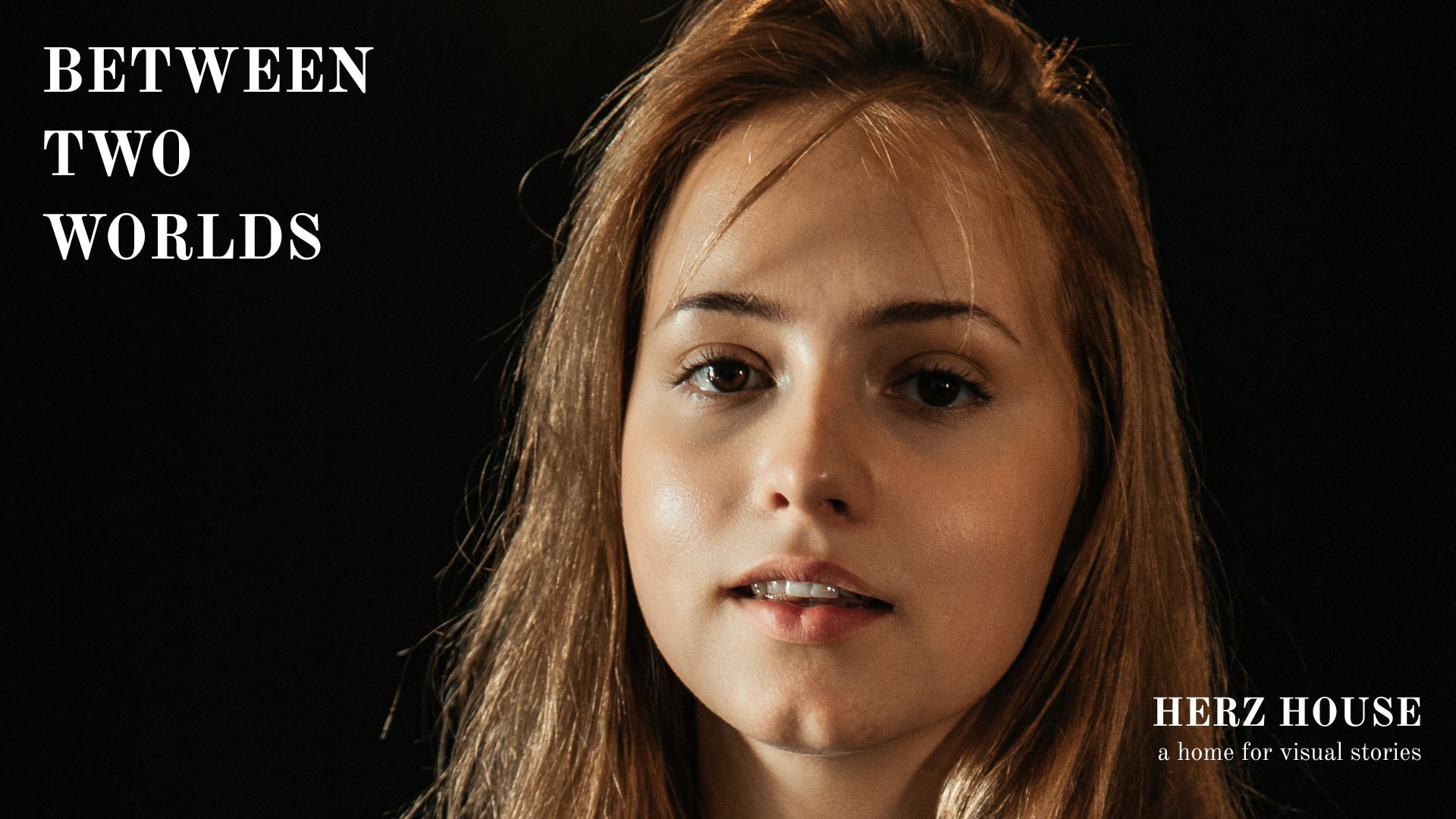
Maia Teemusk on Idiot, social divides and the freedom to tell her own story
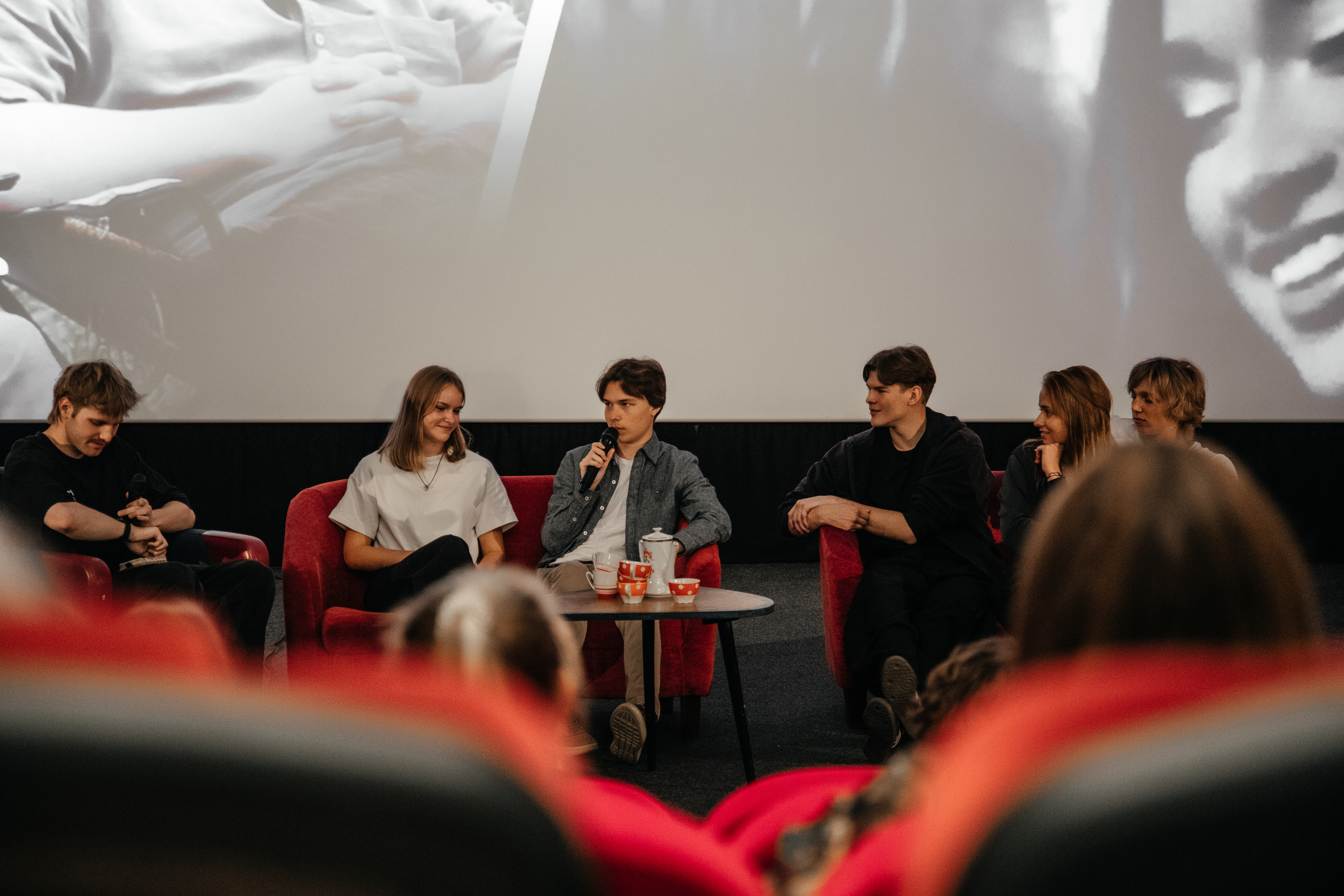
Presented at TARTUFF 2026 in Elektriteater, Idiot explores the lives of two young men whose different family backgrounds become a starting point for a deeper look at social inequality and the realities of growing up.
For director Maia Teemusk, the contrast between the two protagonists was one of the most compelling aspects of the story. One comes from a wealthier family, while the other has fewer financial advantages. Their differences create a conflict that feels both dramatically engaging and recognisable in contemporary society.
The lives of young men, particularly through this kind of social contrast, are not explored often enough, Teemusk believes. Their experiences offer a perspective worth examining, especially at a time when economic inequality continues to shape people's opportunities and relationships.
Idiot approaches this subject through the experiences of its young characters, allowing their circumstances to become part of a broader conversation about the world they inhabit.
“The conflict between two young men from different economic backgrounds is such an interesting thing to explore — especially today.”
THE FREEDOM OF CREATIVE CONTROL
Writing the screenplay while also directing and producing the film gave Teemusk a particularly close relationship with the story. Holding these roles simultaneously allowed her to develop a clearer vision of what she wanted to achieve — from the people involved in the production to the way the finished film would come together.
Having that degree of creative control meant being able to make decisions with a more precise understanding of the intended result. Rather than separating the initial idea from its realisation, she could remain closely involved throughout the process.
For an emerging filmmaker, this kind of experience is also an opportunity to discover how an idea changes as it moves from the page to the screen. The process may be unpredictable, but having a clear sense of direction helps bring the different elements together.
ROOM FOR UNEXPECTED STORIES
Asked what subjects Estonian cinema still needs to explore, Teemusk spoke about the value of young filmmakers telling stories about their own generation. There is something compelling about seeing youth represented by people who know its realities firsthand — stories that can feel immediate, recognisable and grounded in lived experience.
At the same time, she emphasised the importance of making films that venture beyond familiar territory. Referring to Sauna Day, another film she watched that day, she highlighted its distinctive approach and its inspiration drawn from Estonian writer Andrus Kivirähk.
For Teemusk, cinema benefits from unexpected ideas and different creative perspectives. New voices can bring fresh energy to the screen, whether they choose to explore everyday life or venture into more unusual territory.
“It was so chaotic, and yet so wonderful. It makes me proud to see how much we managed to accomplish.”
LOOKING BACK WITH PRIDE
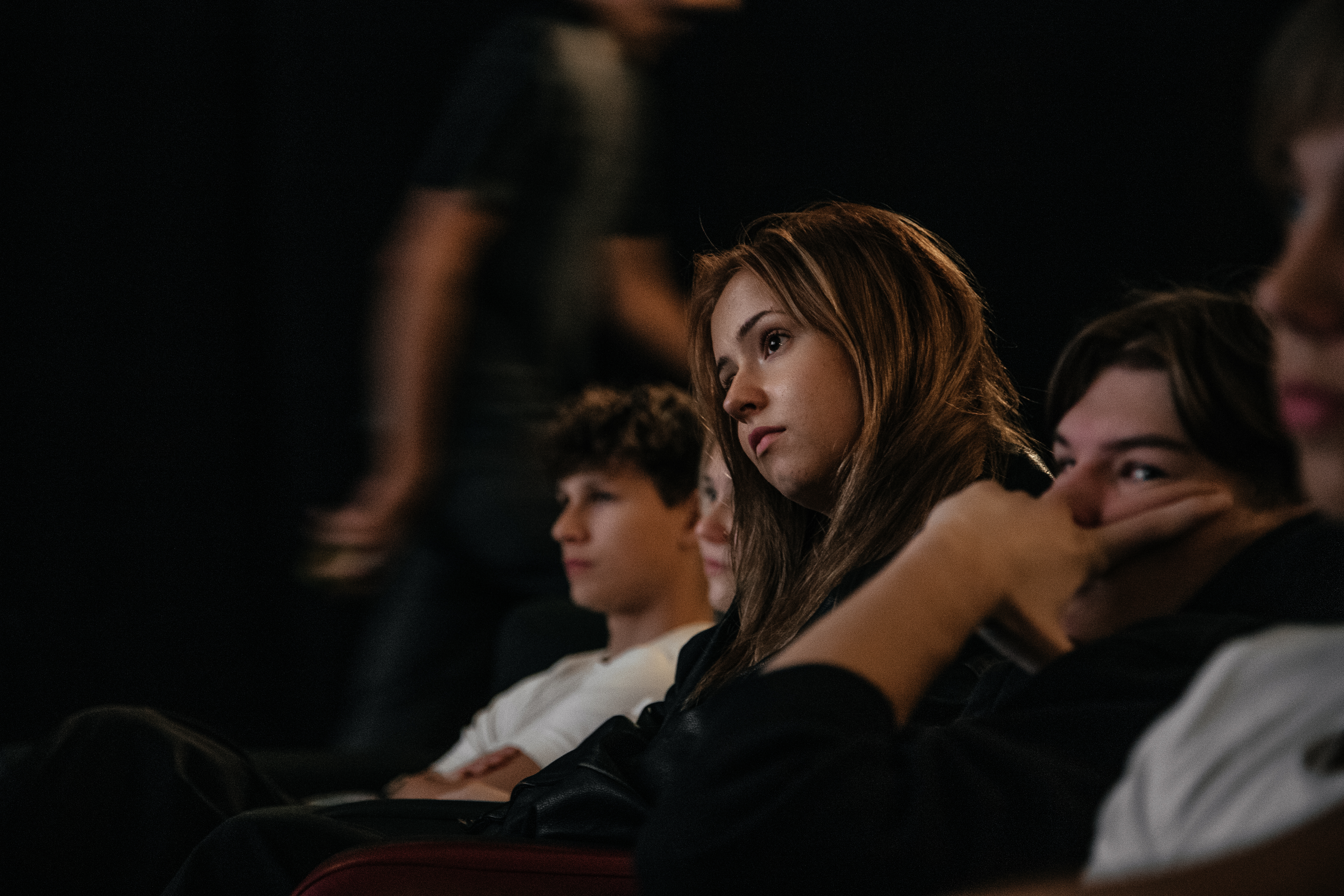
Watching Idiot again at TARTUFF after a long interval offered Teemusk an opportunity to reconnect with the film and the people behind it. Time had given her enough distance to notice details she had not seen before — moments that worked particularly well, as well as elements she would approach differently today.
The screening also brought back memories of the production itself. Looking back on the shooting day, she remembered both its chaotic nature and the excitement of bringing such an ambitious undertaking to completion.
That combination of reflection and pride captures something essential about filmmaking. A finished film is never entirely separate from the imperfect, unpredictable process that produced it. Returning to the work later can reveal not only what might be improved, but also how much has already been accomplished.
For Teemusk, seeing Idiot on screen again was a reminder of the scale of what the team had achieved — and of the satisfaction that comes with finally seeing a story take shape.