HEART AND FIRE: WHAT MAKES A STORY WORTH TELLING?
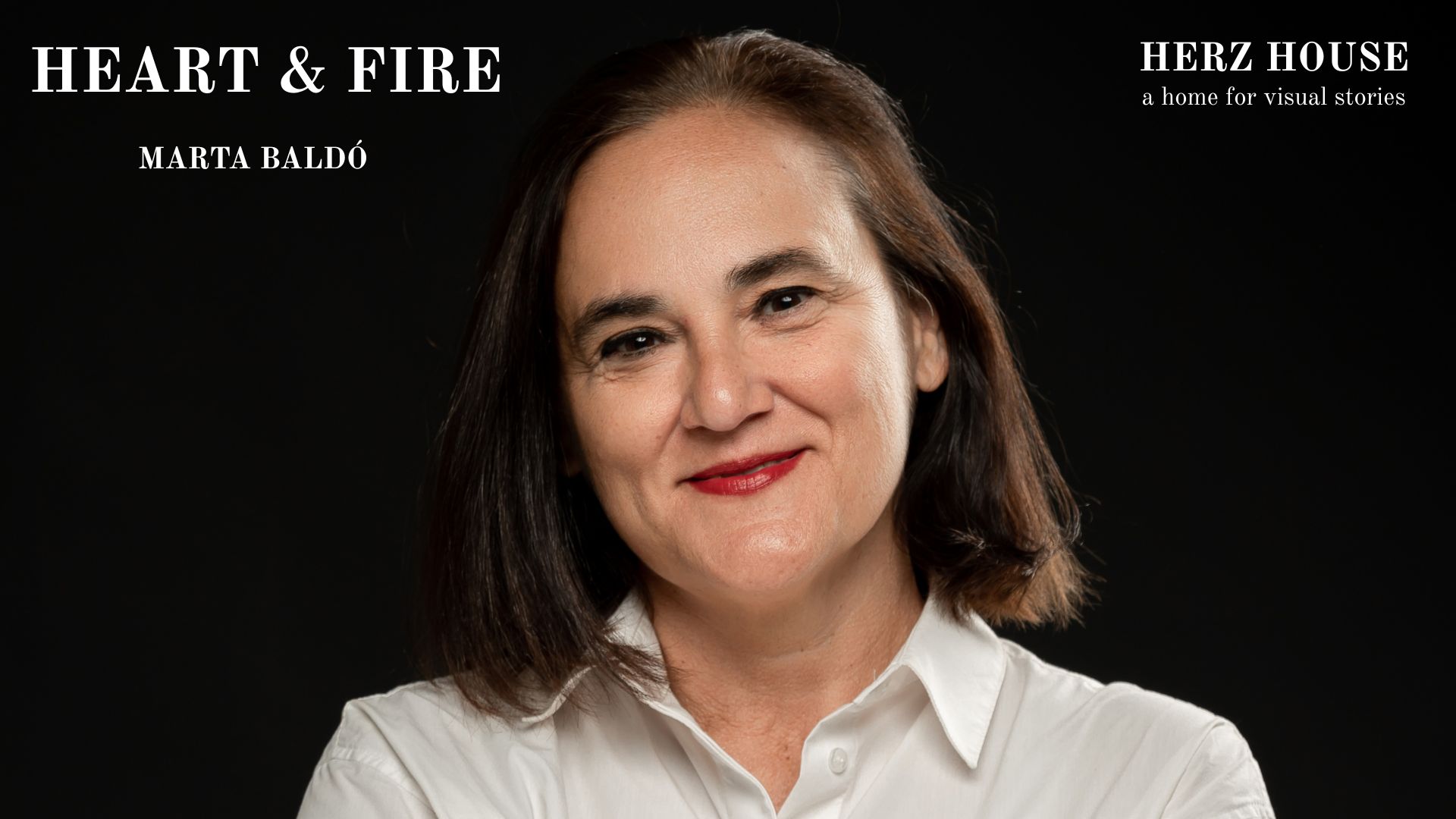
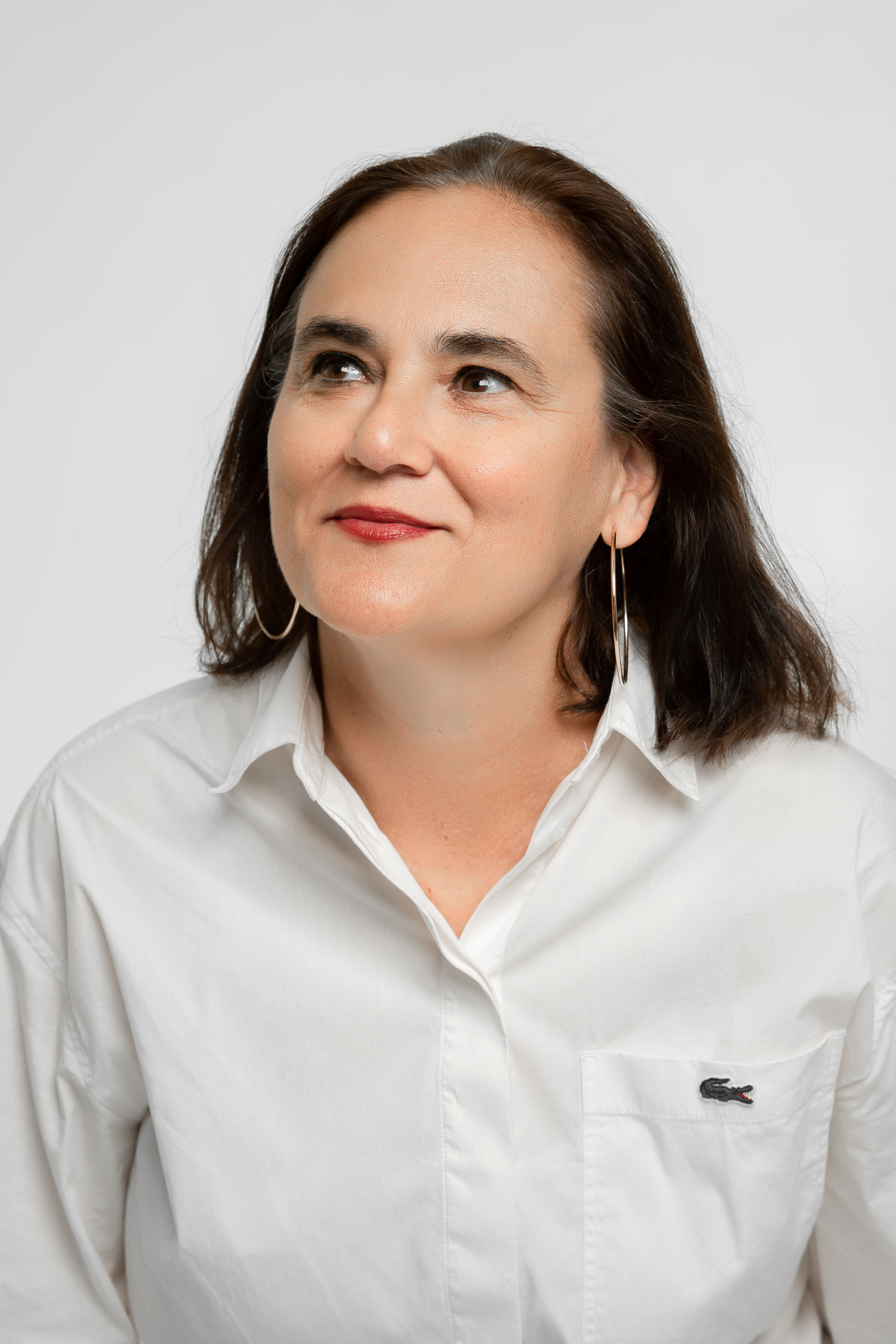
Marta Baldó is a film producer and co-founder of Funicular Films.
Anna Viaznikova | HERZ HOUSE
A COMPANY BORN FROM A STORY
Funicular Films did not begin as a carefully designed business plan. As Marta explains, the company was born because of VIVA.
By then, she had spent years working in marketing, helping other producers and distributors bring films to audiences. She had experience, a profession, and a fairly clear idea of her future — one that did not include founding her own production company.
Then came Aina Clotet’s idea.
Marta had previously produced Aina’s short film Tiger. Their professional relationship continued, along with the desire to channel their shared energy into creating something of their own. Marc and Jan joined them, and Funicular Films became a home not only for Aina’s projects but also for stories by other talented filmmakers.
There is a difference between a company created to make films and one that comes into being because people discover that they work well together.
Marta speaks of Funicular as a family — not in a sentimental sense, but as a community of people who share values and can remain in conversation even when their perspectives differ.
This is where producing begins: not with the assumption that you already know all the answers, but with a willingness to stay in dialogue.
ART AGAINST THE BUDGET?
A director has an artistic vision. A producer is responsible for making sure the film can actually happen. Sometimes these responsibilities align. Sometimes they create tension.
Marta does not present that tension as a problem that can be solved once and for all.
Aina Clotet, she explains, has a strong artistic point of view. Any challenge to her decisions therefore needs to be supported by clear reasoning. If a director believes a particular choice is essential, simply pointing to the budget is not enough.
But artistic intention does not exist in a vacuum. Filmmaking costs money. Limited resources can force a team to reduce its ambitions, change decisions, or seek additional financing.
This is where Marta and her colleagues are learning to negotiate. The director may sometimes reconsider an artistic choice, while the producer searches for ways to preserve the necessary scale and quality of the production.
Neither side should turn its position into a dictatorship.
“We're trying not to impose a dictatorship from either side. We're trying to maintain this dialogue.”
This is not a romantic vision of independent cinema in which art always triumphs over circumstances. It is an acknowledgement that filmmaking requires decisions to be reconsidered again and again — and that compromise does not necessarily mean betraying the original idea.
Sometimes the idea must change. Sometimes the industry needs to be convinced that bringing it to life requires more money.
The essential thing is to understand what you are trying to protect.
WHEN A FILM STOPS BELONGING TO ITS CREATORS
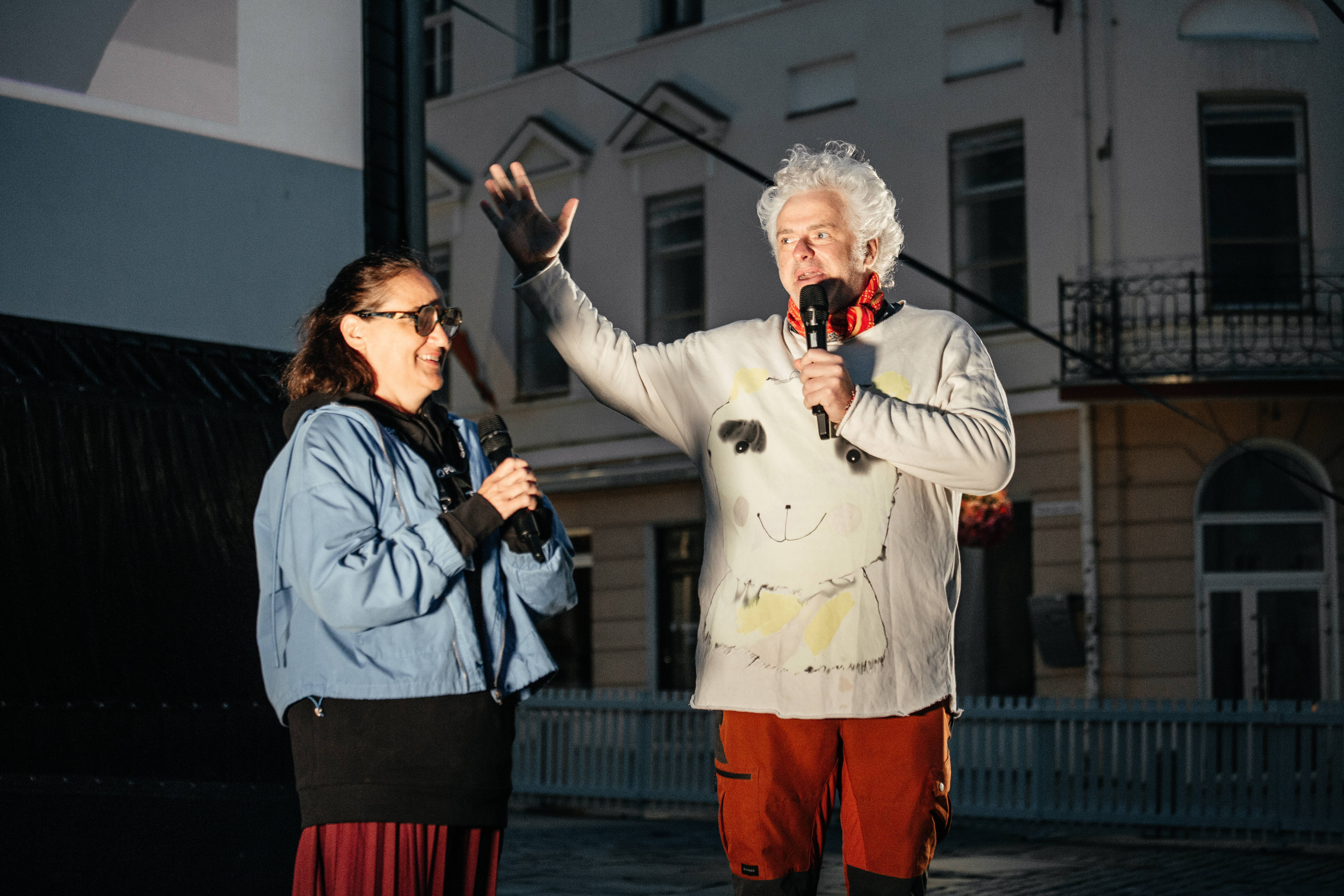
The journey of VIVA from Cannes to its audiences offered Marta a glimpse of how a film’s life changes after its premiere.
Being selected for La Semaine de la Critique was already a significant achievement. According to Marta, the programme receives around a thousand films and selects only seven. The selection was followed by the acquisition of the film by French distributor Haut et Court and its theatrical release in Spain.
The team deliberately chose the summer for the Spanish release. Arthouse and independent films often arrive in autumn and early winter, when attention turns towards awards season. But that period is also crowded with major releases.
Rather than follow the usual strategy, the team behind VIVA decided to find its own place in the theatrical landscape.
After screenings, Aina received messages from women who recognised their own fears and experiences in the protagonist. A film that began as one person’s vision was creating feelings and conversations among people its creators might never meet.
For Marta, this is one of the most important moments in a film’s life.
She compares it to a ship setting out to sea. While the film is being made, its creators accompany it at every stage. But eventually it leaves that familiar space and travels towards people they may never encounter.
“The film doesn't belong to us anymore. It belongs to the audience now.”
From that moment on, it begins to live its own life.
Perhaps this is when it becomes clear that cinema does not end with production or a premiere. It continues in the audience’s reactions, personal associations, and conversations after the screening.
A FREEDOM MARKETING CANNOT MEASURE
Years in marketing have taught Marta how films find their audiences. She understands how important it is to communicate a film in a way that makes people want to see it.
But there is a line between helping a film find its audience and changing it to meet the audience’s presumed expectations.
While making VIVA, Aina did not begin by thinking about box-office success. She was interested in something else: how a woman can overcome her fear of life.
At the heart of the film are emotions, relationships, and an attempt to break free from limitations that society often treats as inevitable. These themes resonated with many women, and the audience’s response confirmed that a deeply personal story can reach far beyond the person who created it.
This is the paradox: a film may find its audience precisely because it did not begin by trying to please one.
Marketing can help a story become visible. It can create opportunities for conversation, draw attention to a film, and give audiences a reason to encounter it. But it cannot replace the reason the story came into existence in the first place.
There must be something the filmmaker genuinely wants to say.
“And then you'll find your audience. Not the other way around.”
Everything else comes afterwards.
THE MORE INTERNATIONAL THE PERSPECTIVE, THE MORE IMPORTANT IT IS TO STAY LOCAL
Speaking about international collaboration, Marta points to an unexpected effect: people from other countries and cultures can help a filmmaker become even more local.
Rather than asking a story to conform to universal expectations, international partners ask questions. Why does a character act this way? What motivates them? What are they afraid of?
Sometimes filmmakers are so close to their own material that they no longer notice which parts need explaining. An outside perspective allows them to see the story anew.
Marta clarifies that VIVA is not an international co-production, although it took part in international development programmes, including TorinoFilmLab. There, tutors asked Aina questions that encouraged her to explore the protagonist’s motivations more deeply.
Such dialogue can lead to new decisions. But its purpose is not to make every story resemble all the others.
“They push you to be as local as possible.”
The more precisely a filmmaker understands their own material, the more clearly they can communicate it to others.
Marta describes this process as enriching. Her observation points to a principle that extends beyond cinema: universality does not always emerge from trying to be understood by everyone. Sometimes it comes from the precision of a deeply personal statement.
VERY FILM IS A PROTOTYPE
Independent cinema has no universal formula that guarantees success.
You cannot find the perfect balance between artistic vision and budget once, write it down, and apply it to every future project. Each film is made under its own circumstances, with particular people, limitations, opportunities, and risks.
Marta compares films to prototypes. Each requires you to understand anew where you are, what you are creating, and which decisions the moment demands.
“Every film is a prototype, not an industrial pattern.”
This applies not only to production but also to the choice of story itself.
Funicular Films now works not only on Aina’s projects but also on those of other filmmakers. The question of which story deserves several years of your life therefore becomes especially important.
For Marta, the answer is not a matter of genre, scale, or guaranteed success.
It is about what a story means to the person who wants to tell it — and to the world in which it will appear.
HEART AND FIRE
Some stories are easy to explain. Others look impressive in a presentation or promise a predictable commercial outcome. But none of these qualities alone is enough to convince Marta to devote several years of her life to a project.
She looks for something else.
A story must stay with you. It must continue to resonate after the conversation ends, make you think, and draw you back to it. If it does not, perhaps it is simply not the right story for that particular producer. Or perhaps its creator has yet to find someone who can see what they see in it.
Marta does not suggest that personal conviction automatically guarantees an audience. Rather, she speaks about a sequence of priorities: first, understand why the story needs to exist; then, find a way to bring it to people.
“The story has to have two things: heart and fire.”
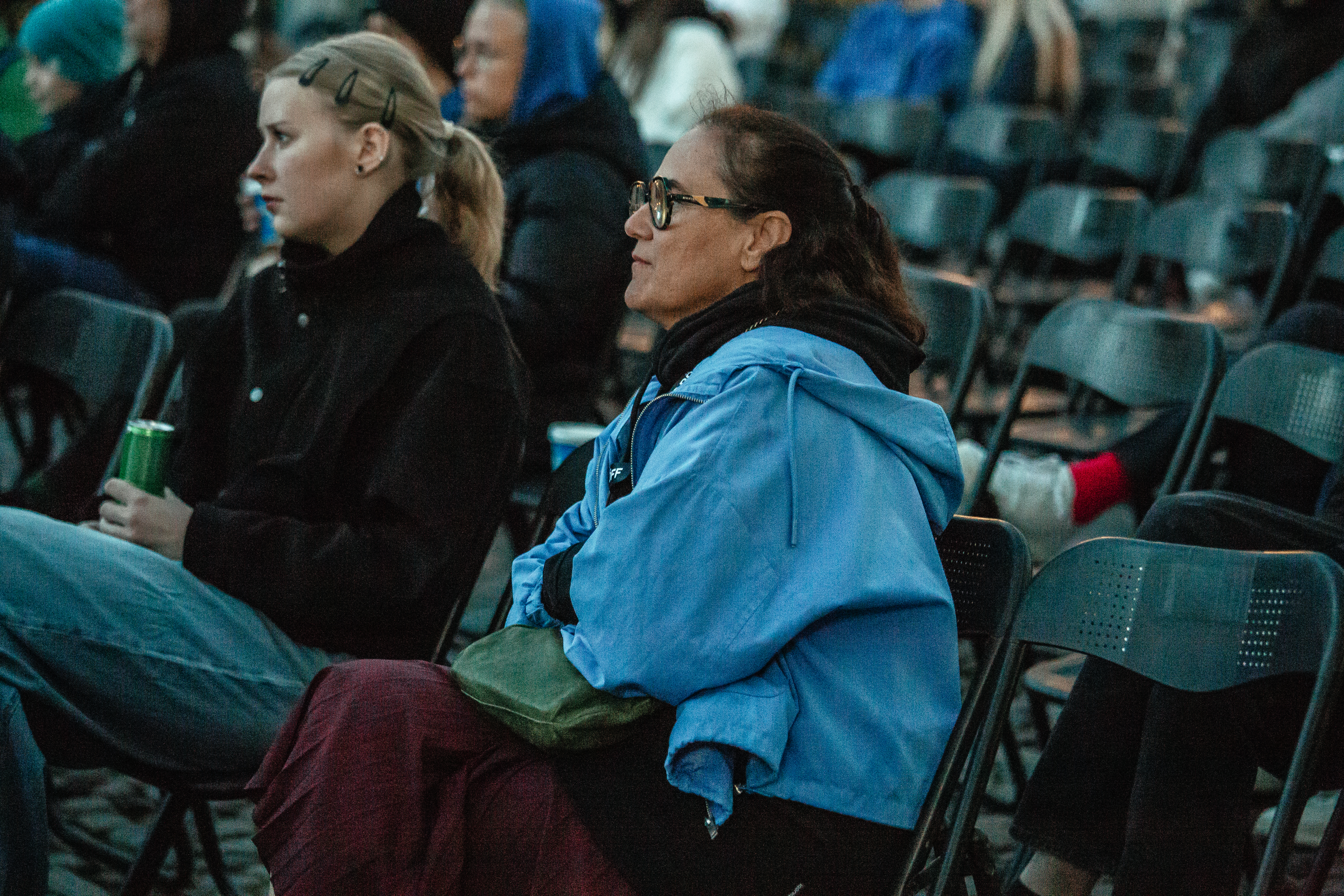
At TARTUFF, VIVA met its audience in a setting very different from a traditional cinema. The open air, the town square, the surrounding noise, and other distractions made the experience unpredictable.
And yet this kind of setting can reveal a moment that cannot be planned.
Marta says she would choose to take away the sound of the audience laughing during the screening. When people laugh despite the noise and everything happening around them, you know they are truly inside the film.
“When people are laughing, it means they're inside the movie.”
Perhaps this is one of the most precise ways to measure the connection between a story and its audience. Not by numbers, marketing promises, or a carefully calculated response.
But by the moment when strangers find themselves sharing the same emotional space for a few seconds.
That, perhaps, is why a story needs heart and fire.