EDVINAS PUKŠTA: THE MAGIC OF CINEMA IS SHARED
Anna Viaznikova | HERZ HOUSE
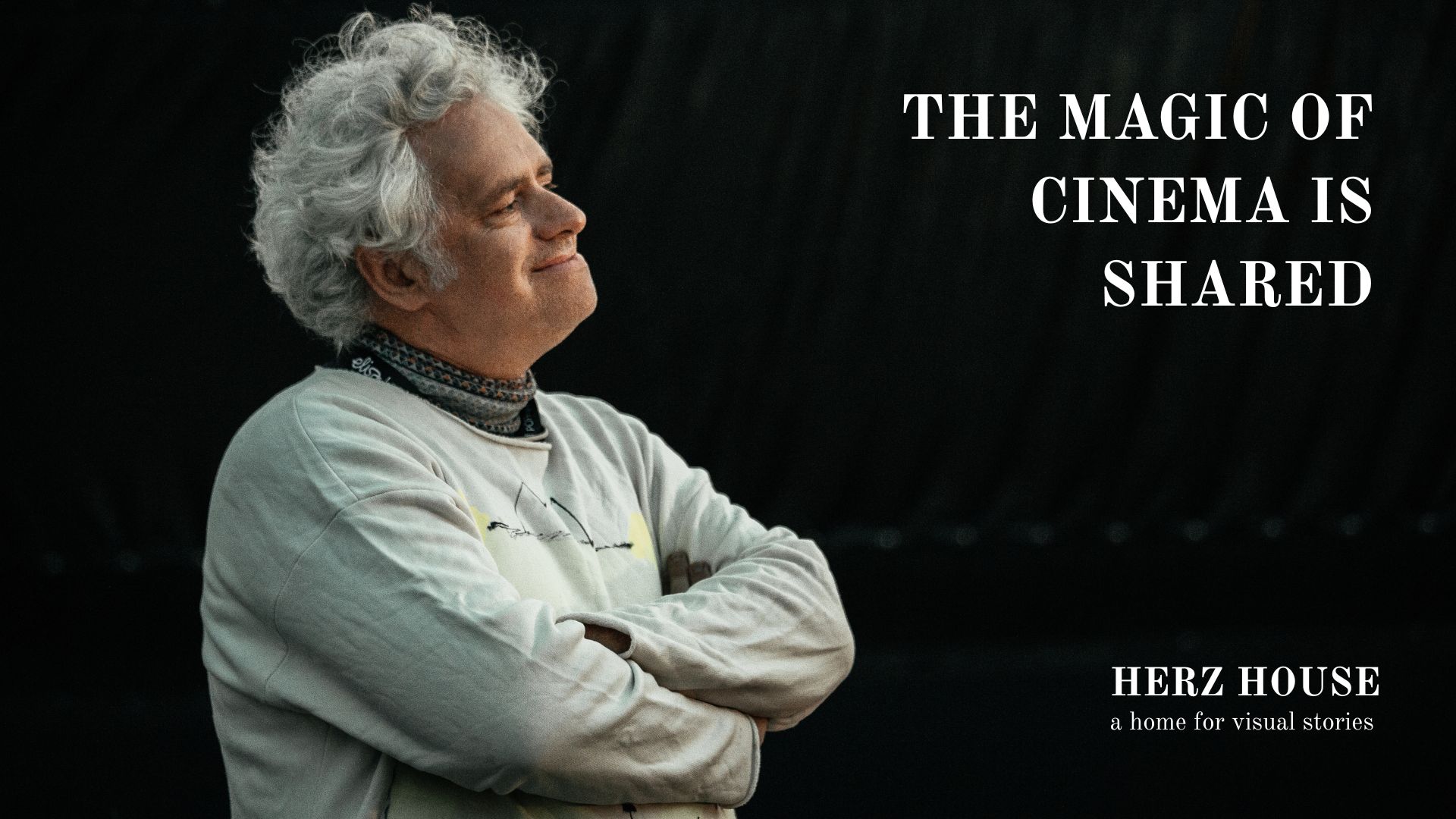
For Edvinas Pukšta, one of the people shaping Tartuff’s film programme, the festival is much more than a selection of films. It is an opportunity to share stories he and his colleagues discover throughout the year — and to see how those stories resonate with an audience.
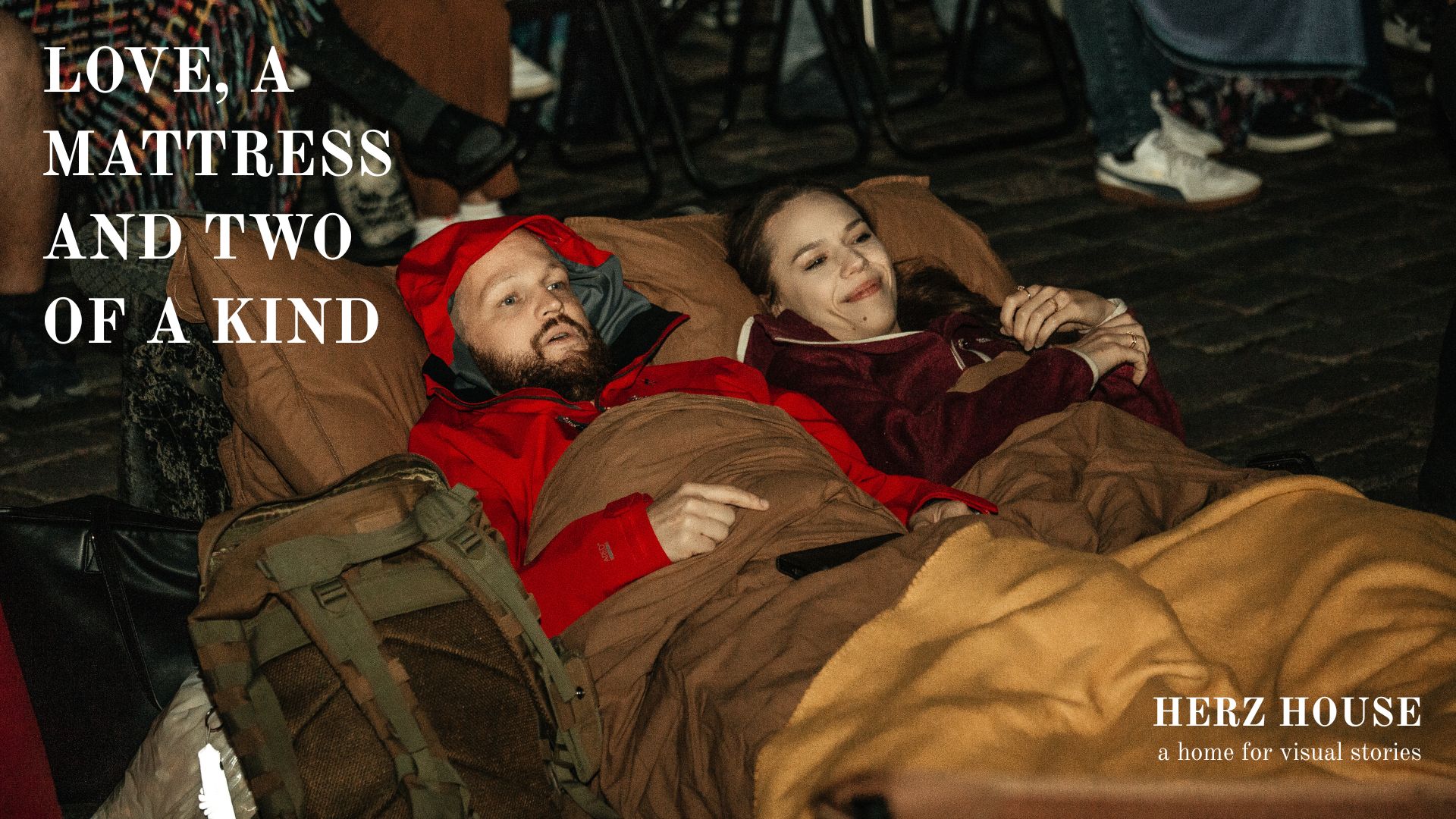
This year, once again, hundreds of people gathered in Tartu’s Town Hall Square. They arrived prepared for every change in the weather, brought blankets, found increasingly creative ways to make themselves comfortable, and stayed even when it rained. For Pukšta, the audience’s resourcefulness was one of the festival’s most inspiring sights.
Yet behind the atmosphere of an open-air cinema lies another defining feature of Tartuff: the opportunity to discover films that have never been screened in Estonia, and sometimes even in the Baltic countries. The festival introduces audiences to new names, stories and cinematic worlds, turning an ordinary summer evening into a shared discovery.
“Cinema is a collective experience. When 1,200 people laugh together, it is, of course, magical.”
Not every film, however, receives the same attention. Pukšta admits that the documentaries screened at Elektriteater attracted fewer viewers than he had hoped, although some later received very positive audience reactions and reviews. For him, this is a reminder of how unpredictable a film’s journey towards its audience can be.
What matters most happens when the two finally meet. When hundreds of people laugh at the same moment, react to a scene or applaud after the final credits, cinema becomes more than an individual experience. It becomes something shared.
Pukšta prefers to remain in the background, allowing the films to speak for themselves. His role is to discover stories and bring them to audiences. The confirmation that this work matters comes from the people in front of the screen: their applause, their reviews and their continued enthusiasm for discussing what they have seen long after the screening ends.
“I think this audience is lucky to be almost the first to see these films.”
Perhaps this is why, when asked to describe Tartuff in a single word, Pukšta eventually settles on a simple yet meaningful answer: “Wonderful.” The magic of the festival is not created on screen alone. It emerges between a film and its audience — and among the people who have gathered to experience it together.