IN SEARCH OF THE FILM YOU NEVER EXPECTED
Edvinas Pukšta on cinema, intuition, red carpets, and the audiences who make the search worthwhile.
Anna Viaznikova | HERZ HOUSE
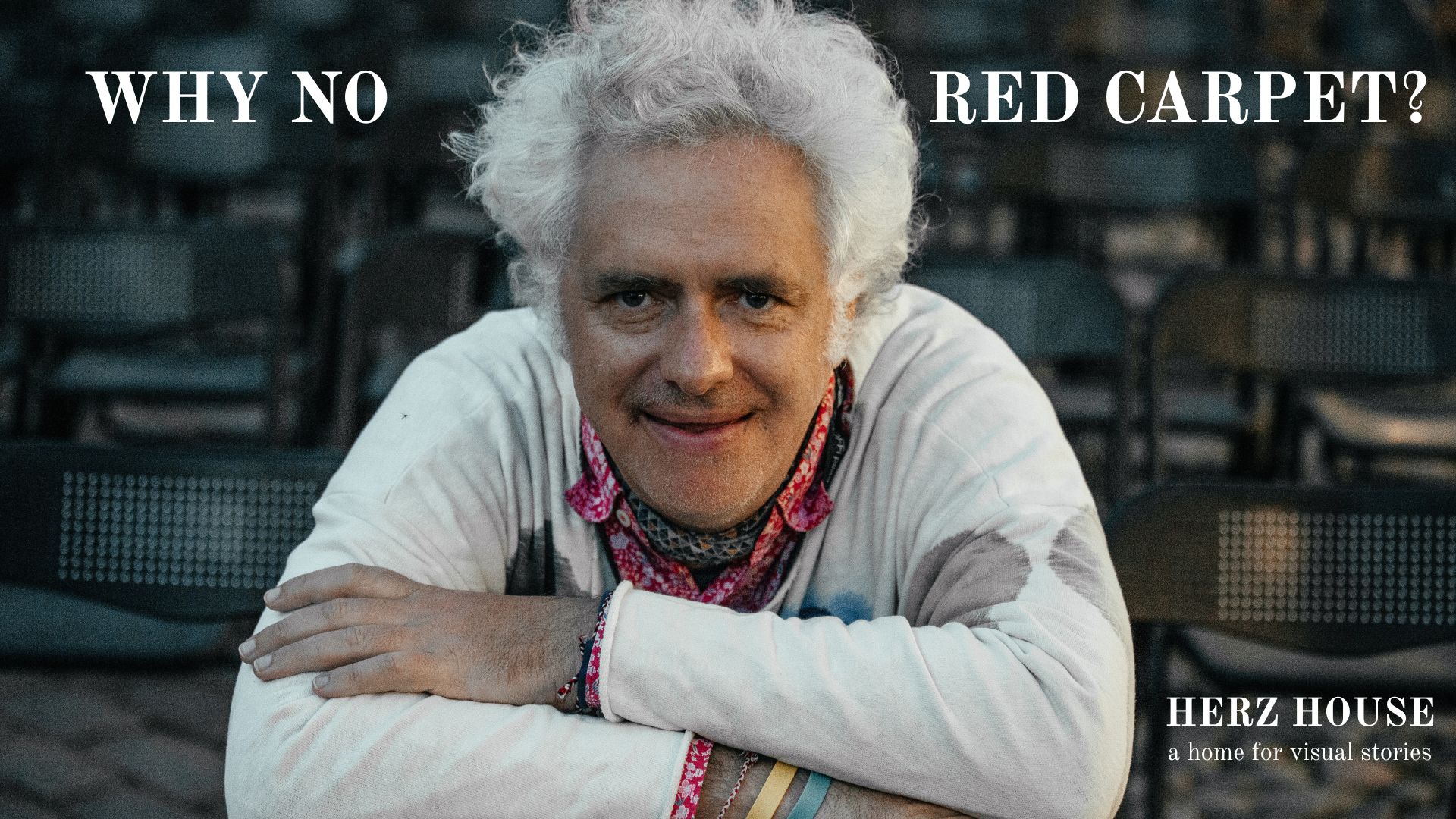
Edvinas Pukšta watches more than a thousand films a year. It is not an obligation imposed by someone else, nor a professional quota he must fulfil. It is something he chooses for himself. Even bad films become part of the journey: sometimes they remain just as memorable as masterpieces.
But what does someone search for after seeing thousands of stories? Perhaps the film whose existence he has yet to imagine.
““I still believe that I am driven by curiosity.””
This may be the key to understanding his work. Curiosity prevents him from settling for the familiar, relying solely on a director’s reputation, or limiting himself to what has already been recognised as important. It keeps him searching — including in places where others might never think to look.
For Edvinas, cinema begins with emotion. Comedies are there to make us laugh; horror films are there to make us afraid, especially when watched with an audience. But for someone who selects films for a festival, there is another kind of pleasure: discovery. A film you have never heard of. A story you never expected to see. A feeling you could not have anticipated.
It is this possibility of surprise that keeps him watching.
““You are always looking for that film — the one that surprises you, elevates you, motivates you, and gives you something you don't want to let go of.””
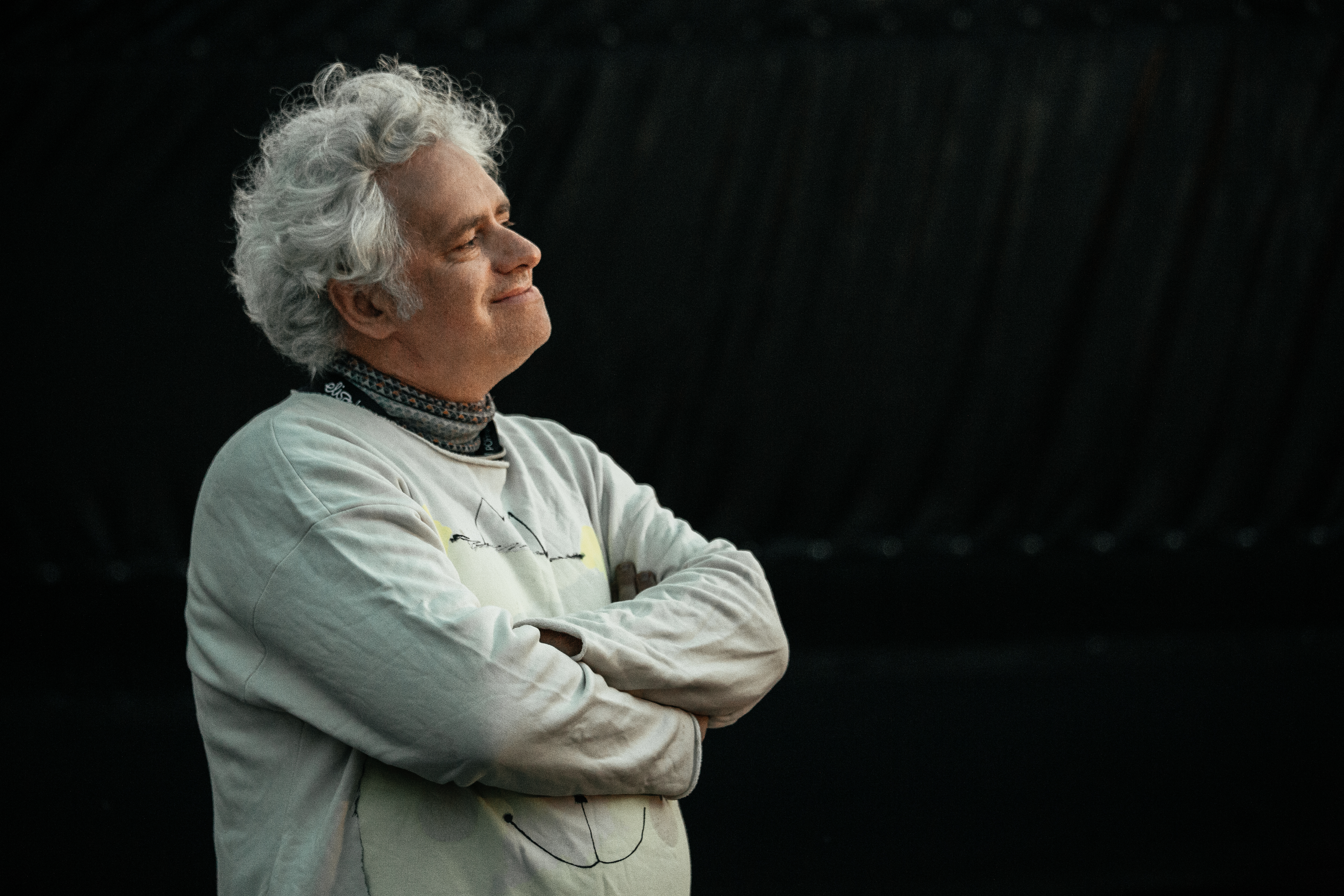
INTUITION DOESN'T COME WITH A DIPLOMA
Film programming has a particular quality: it cannot be learned entirely from textbooks. You can study film history, understand the industry, follow festival trends, and learn which films resonate with audiences. But none of this guarantees that you will recognise the film that truly deserves to be seen.
Edvinas did not enter cinema through the conventional route of film school. He believes much of the learning must happen independently — through watching, experimenting, making mistakes, finding new paths, and gradually learning to trust yourself.
“For a programmer, intuition is probably the most necessary feeling.”
Yet intuition does not mean working alone or abandoning analysis. A festival programme emerges through discussion, argument, and compromise. A film must do more than appeal to one person: its place in the programme must be explained and defended to others.
Sometimes a film is approved immediately. Sometimes it takes months of fighting for it.
This is one of the less visible aspects of the profession. Before a film appears on screen, it passes through countless decisions that audiences never see. Behind every choice lies a question: what will this story offer the people who come to watch it?
Edvinas enjoys searching for films in places where, perhaps, nobody else is looking. But personal taste alone is not enough. A programmer must understand how a festival works, sense the audience, and consider the context in which a film will be shown.
TWO FESTIVALS, TWO DIFFERENT AUDIENCES
Edvinas's work connects two Estonian festivals: the Tartu Love Film Festival Tartuff and the Tallinn Black Nights Film Festival, known as PÖFF. Both celebrate cinema, yet they operate at different rhythms and respond to different audience expectations.
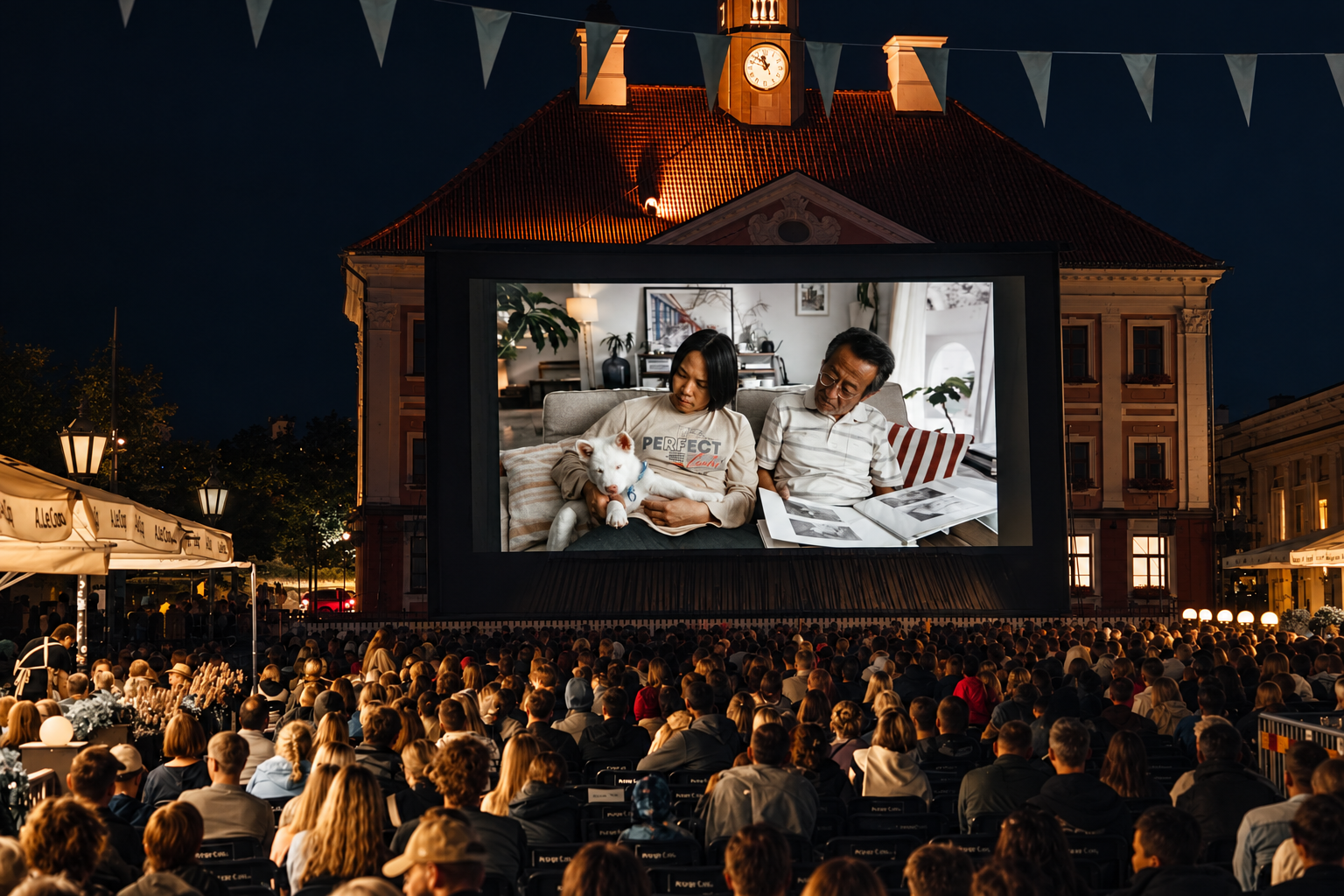
In November, Tallinn hosts the large international PÖFF festival. Tartuff, by contrast, belongs to summer, to Tartu, and to open-air screenings. Here, the atmosphere of the city, the immediate reactions of the audience, and the feeling of a shared event matter particularly.
“Tartuff and PÖFF are totally different festivals.”
A film that works perfectly for one festival may feel out of place in the other. The choice depends not only on the artistic qualities of a film, but also on where, when, and for whom it will be shown.
In Tartu, the task is not simply to find a good film. It is to find one that will make people spend an evening in Town Hall Square, gather together, and share a story. That is why a programme cannot consist entirely of romantic comedies or films that evoke the same mood. Love on screen can be tender, painful, absurd, or destructive — and this diversity is what keeps a festival alive.
For Edvinas, love is not confined to familiar genre boundaries. Even a crime drama can become a love story. He points to Michael Mann's Heat, a film about betrayal and lies, but also about loyalty, separation, and the ability to let go.
Asian cinema, in his experience, often approaches emotion with particular sentimentality and melancholy. These films can speak about love in ways audiences do not expect, finding a different route into their hearts.
The programmer's task is not to predict a single, correct audience taste, but to offer people different ways to feel.
LOOKING BEYOND THE SCREEN
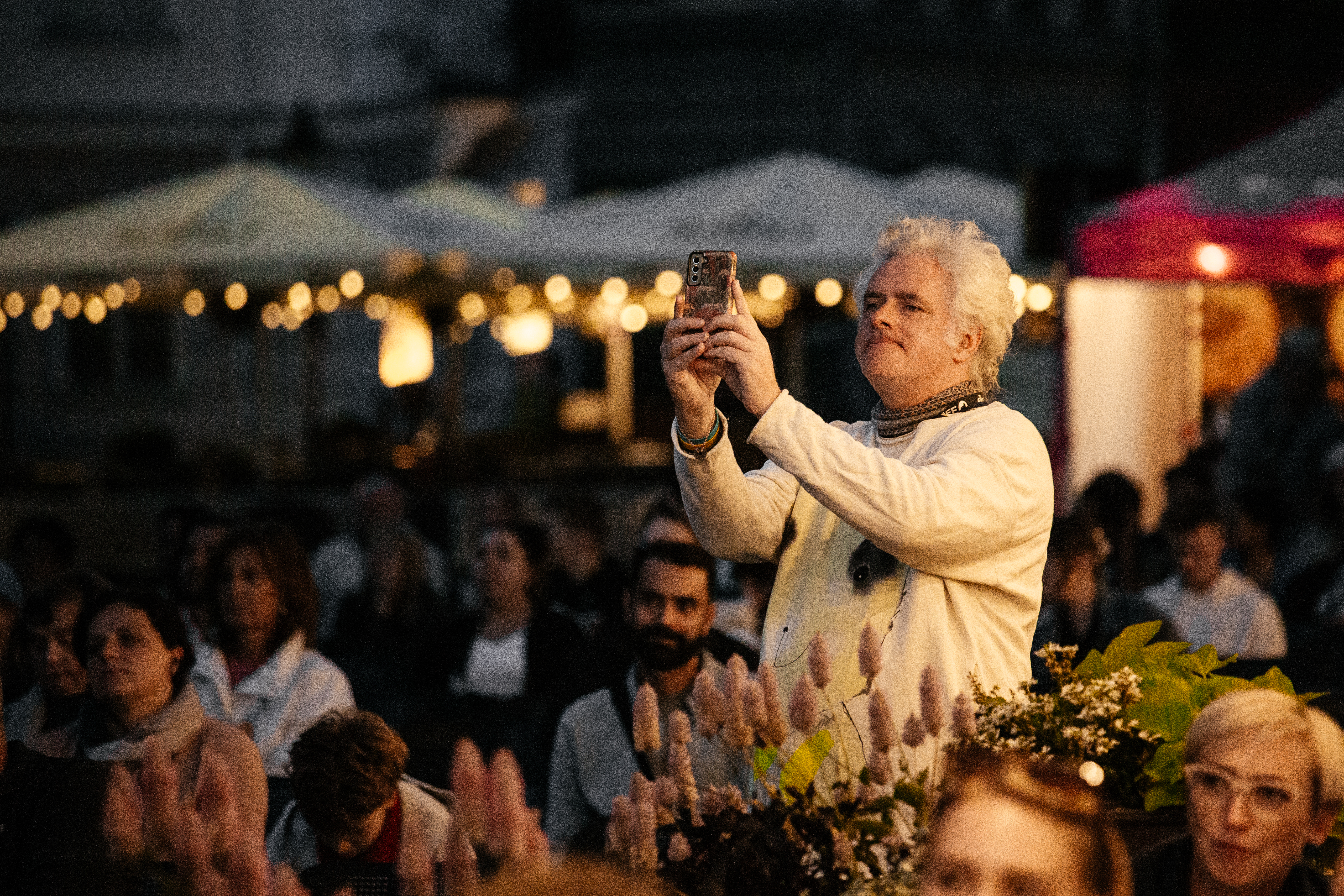
Edvinas watches audiences almost as carefully as he watches films. He likes walking around Tartu, observing how people respond to what they see, and noticing those who return to screenings again and again.
He recognises some viewers by face, though not by name. They occupy their usual spots, bring their own belongings, and sometimes even bring beds. These small details say more about a festival than attendance figures alone: people are not simply coming to watch a film. They are becoming part of an event.
Edvinas is particularly pleased by the audience's interest in documentaries. Finding people willing to spend an evening with a documentary can be challenging. Full screenings, therefore, are a meaningful sign that the audience is open to more complex and unfamiliar conversations.
““I think cinema is a collective experience.””
This explains why festivals matter to him beyond professional networking. Film programming can be a lonely job: many films must be watched at home, on a computer, sometimes before post-production is complete. But cinema, Edvinas believes, should be experienced in the darkness of a theatre, on a large screen, and alongside other people.
A collective screening creates something that cannot be reproduced alone. Laughter, silence, tension, an unexpected reaction at the end — all of these change the way a film is experienced. The audience becomes an invisible part of its meaning.
For Edvinas, travelling to international festivals is therefore not only an opportunity to meet filmmakers, producers, and sales agents, but also a chance to return to the cinema itself. It is also a way to discover places he wants to revisit. He believes one of the keys to a festival's success is the place where it takes root — and what makes people want to come there.
THE RED CARPET AS WASTED TIME
Edvinas has been travelling to Cannes since 2001, yet he has never walked the red carpet. As he admits, he has never particularly wanted to.
For some, the red carpet is the climax of the cinematic celebration. For him, it is time that could be spent far more productively. Attending such a screening means arriving early, waiting, following a dress code, and devoting hours to the ceremony. All that time could be used to watch a film.
“For me, the red carpet is basically a waste of time.”
There is no need to interpret this as a demonstrative protest against the industry. It is, rather, a very personal set of priorities. While others wait for a ceremony to begin, Edvinas prefers to watch a film — sometimes the following morning, when he can attend a screening without the long wait.
He does not reject festivals, avoid the film industry, or believe cinema exists separately from the people who create it. His centre of gravity simply lies somewhere other than the red carpet. It lies in the cinema.
CINEMA DOESN'T END WITH THE CREDITS
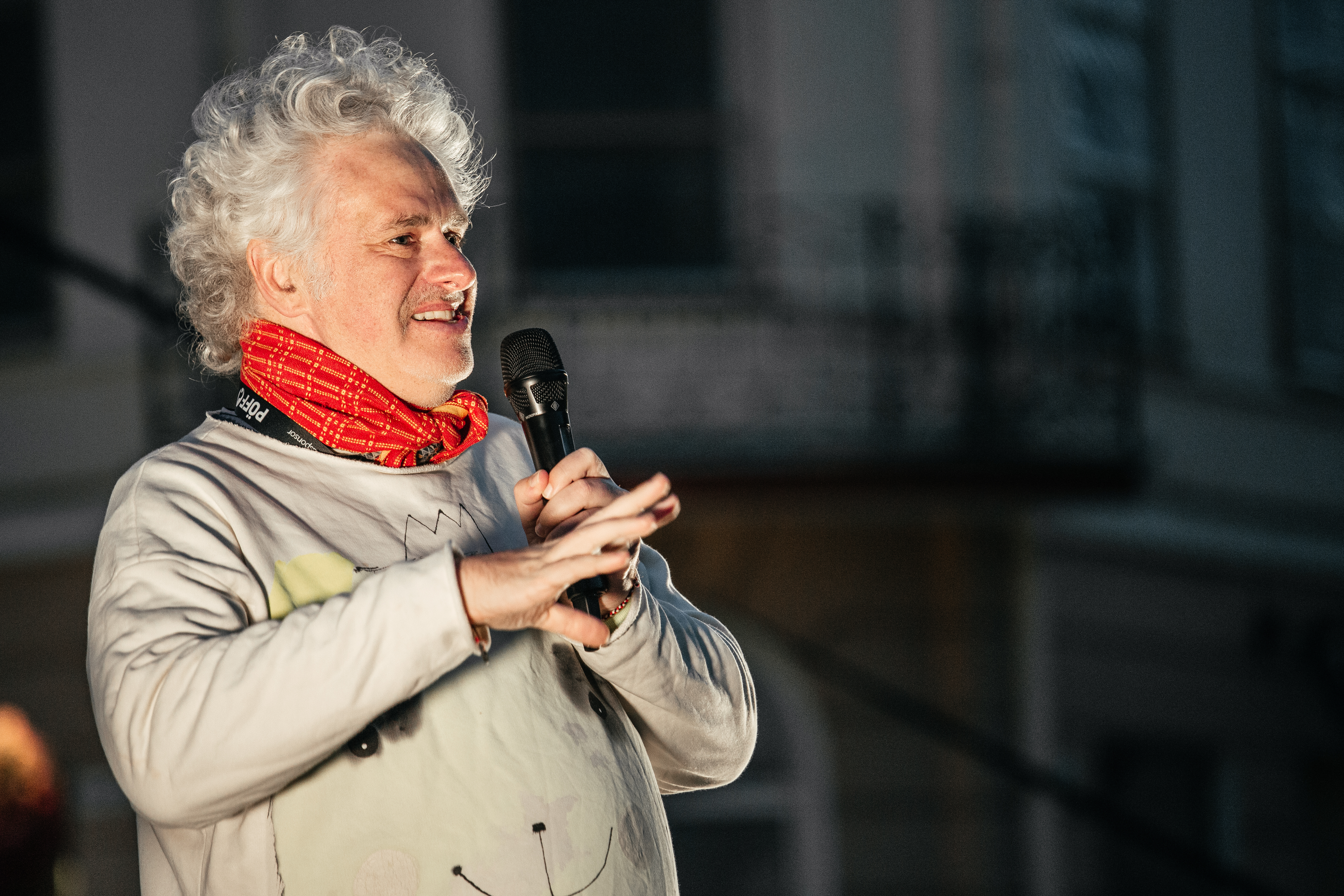
Outside cinema, Edvinas enjoys travelling, long-distance walks, seaside strolls, and cycling. When he stays at home and does not feel like watching another film, he will most likely put on basketball. There is a simple need behind these activities: to refresh his mind and turn his attention elsewhere.
He is sceptical, however, of the idea that cinema can fundamentally transform a person. Films may inspire us to listen to music that we return to for a year, or encourage us to reconsider a particular story. But there is a distance between the emotion we experience while watching and a genuine inner transformation.
Cinema itself is changing, too. Edvinas observes how the industry responds to shrinking attention spans, short-form content, and new ways of consuming stories. Yet he continues to watch films lasting five hours or more, while wondering whether such an experience will appeal equally to every generation.
Among the works that have caught his attention in documentary cinema are stories from Ukraine about the ongoing war — about how people are trying not only to survive, but to live in the present while imagining a life after the war. These are stories in which cinema becomes a way of bearing witness to reality rather than simply inventing it.
And what would he choose to watch if he did not have to think about an audience or a festival programme? The answer depends on the day. Today, it might be the entire Godfather trilogy, watched back-to-back overnight. Another day, it might be the original Cape Fear and Martin Scorsese's version, seen together to compare two interpretations of the same story. Tomorrow, perhaps, he would choose something completely different.
This is what makes the search endless. Even after a thousand films, there is still a film you have not seen. A story that can surprise you. A reason to enter a dark cinema once more and look at the big screen.
And perhaps that is why Edvinas Pukšta keeps searching.
Not because he already knows what he wants to find.
But because he doesn't.
WATCH THE FULL VIDEO INTERVIEW