TARTUFF 2026: THE CITY THAT WATCHES CINEMA
Eight summer days, thousands of visits, and stories that remind us why we keep searching for one another.
Anna Viaznikova HERZ HOUSE
Projects
Eight summer days, thousands of visits, and stories that remind us why we keep searching for one another.
Tartu, August 2026.
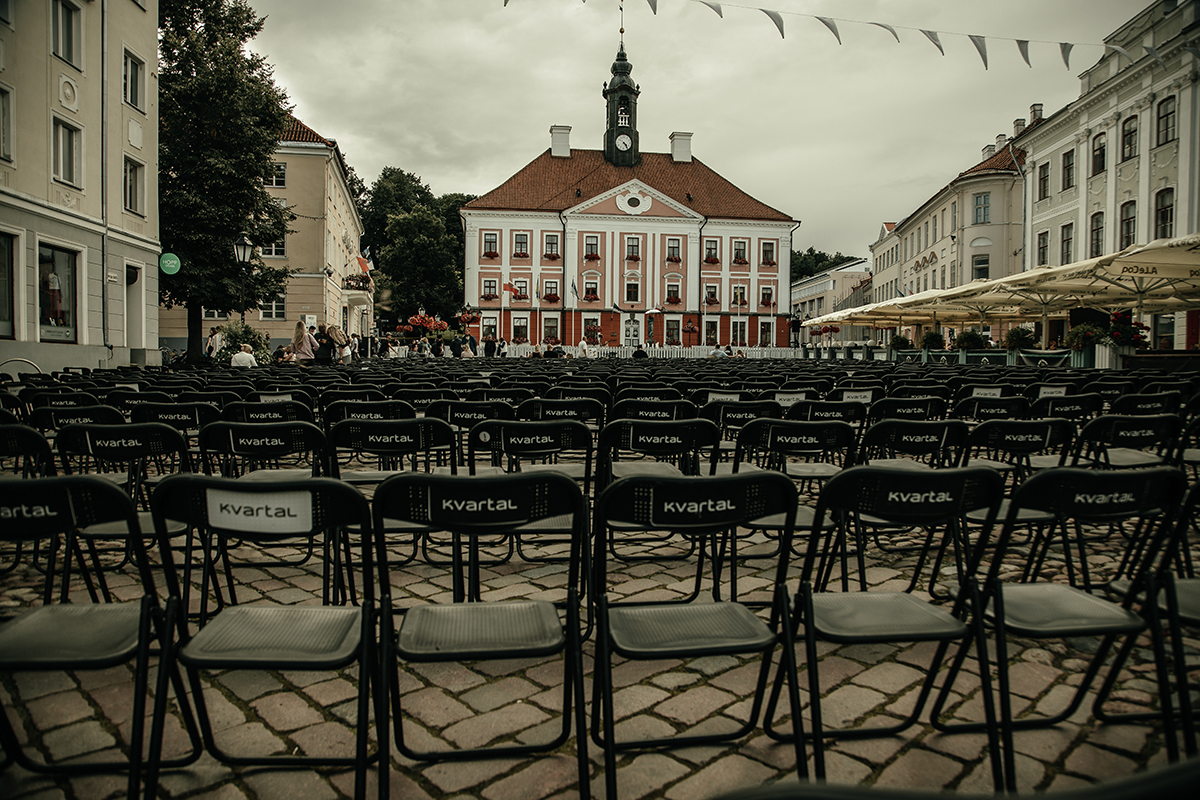
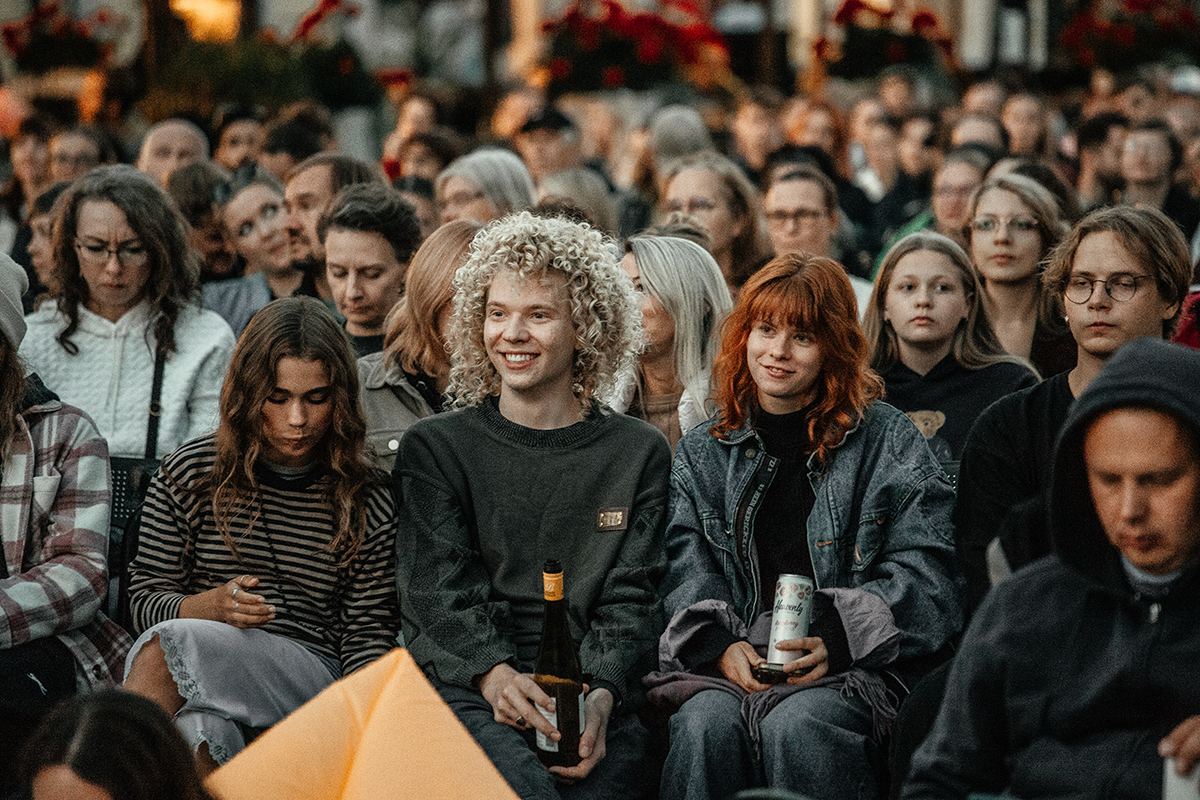
There is a particular moment when a city stops belonging only to its streets, squares, and buildings. Familiar spaces acquire another dimension, and people who passed one another without a second glance the day before find themselves sitting side by side, waiting for the same story to begin.
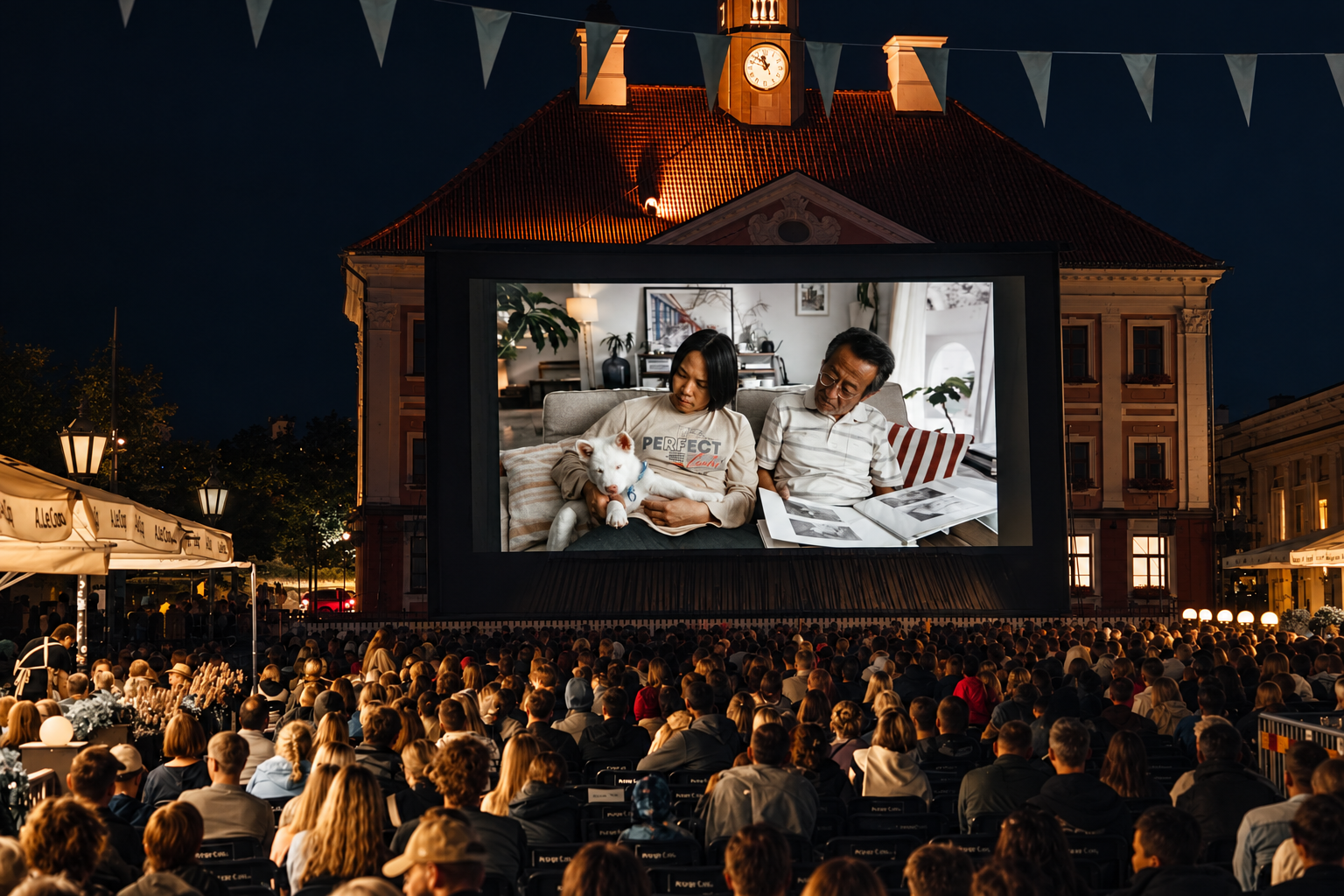
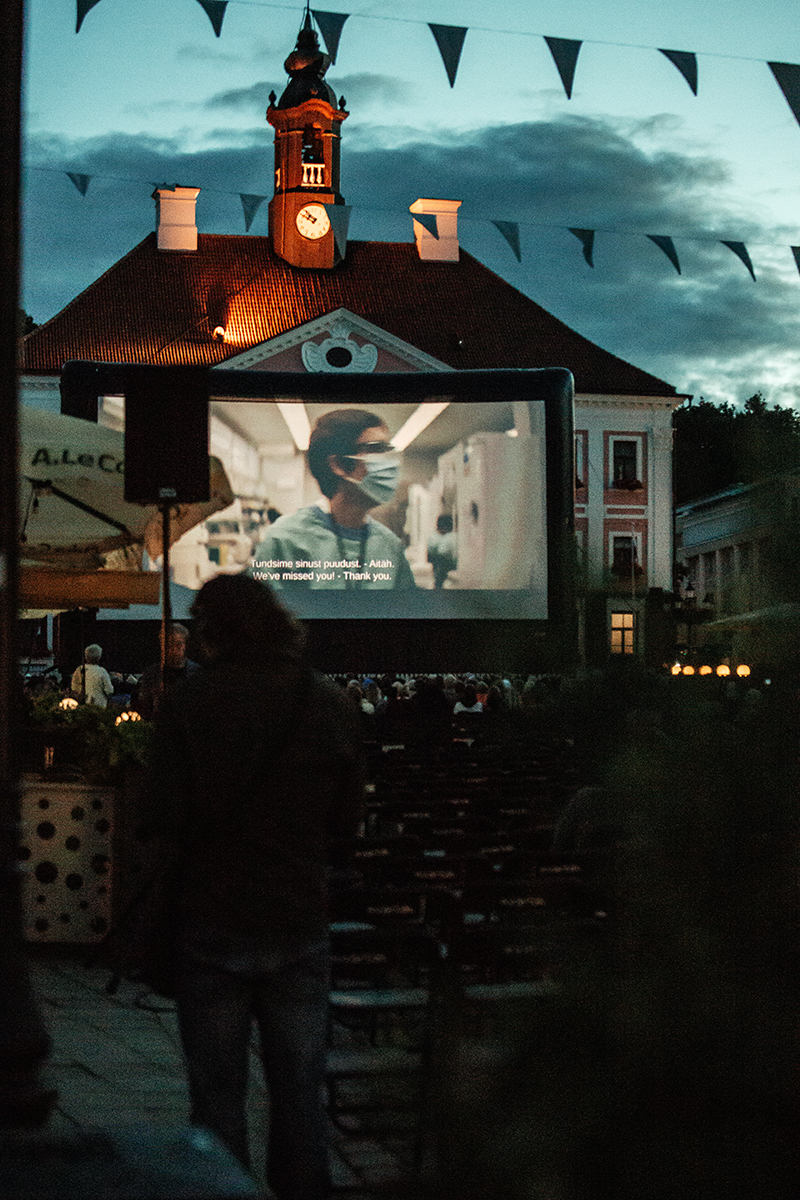
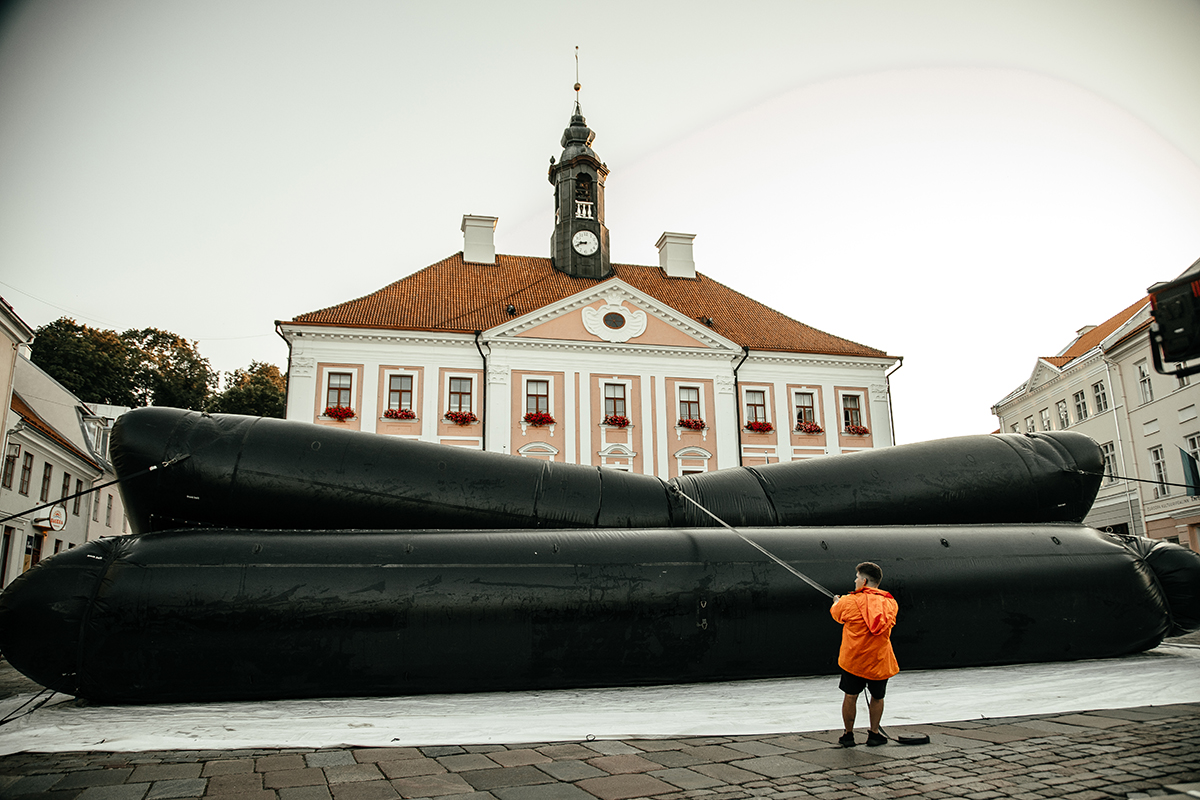
In August, that space is Tartu Town Hall Square. A large cinema screen rises, audiences gather, the evening light slowly fades, and the city begins to follow the rhythms of cinema.
From 8 to 15 August, the Tartuff Love Film Festival once again transformed the centre of Tartu into a meeting place for stories, emotions, and people. The twenty-first edition brought together contemporary international cinema, classics, short films, and documentaries, extending into the intimate setting of Tartu Elektriteater.
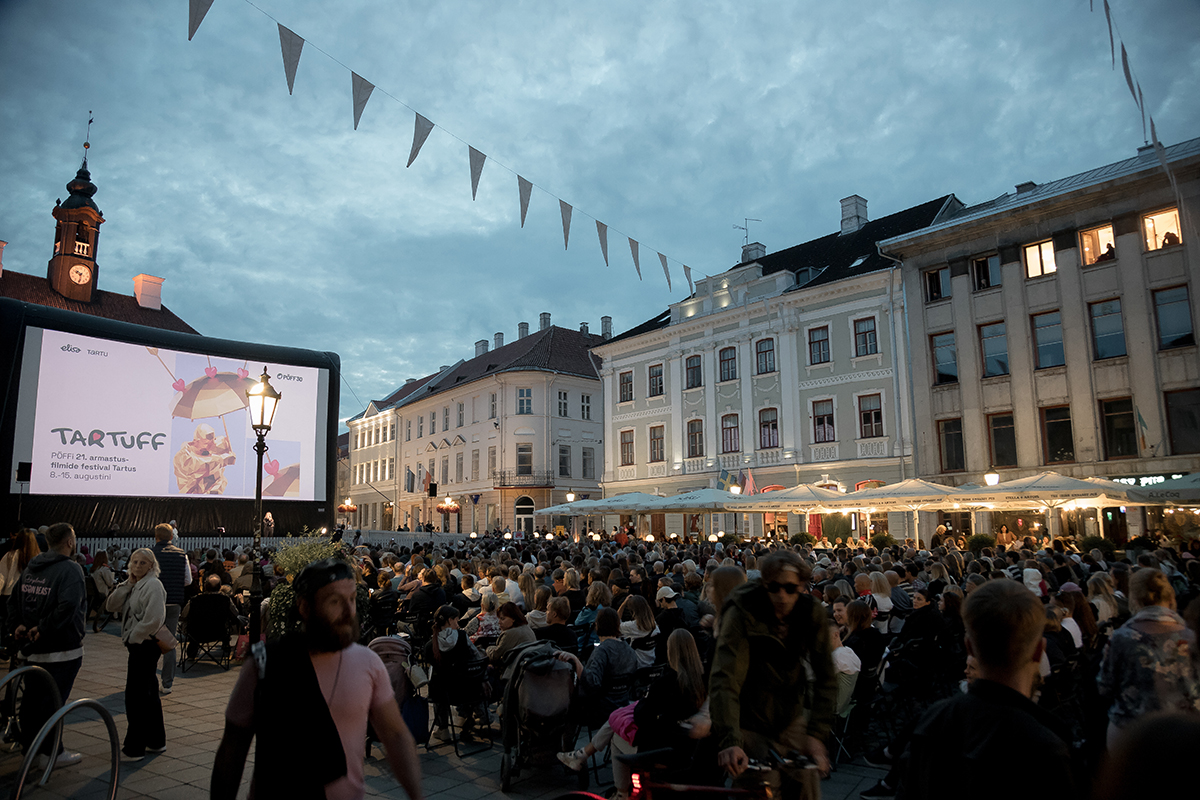
Across eight days, the festival recorded approximately 11,000 visits. But a number cannot explain what makes Tartuff special.
It is the conversations before a screening, laughter in the dark, unexpected encounters, familiar faces, and people who return year after year. It is the films that make us want to talk, and those that leave us needing a little silence.
And it is the people who make everything happen: those who select the films, build the programme, organise the screenings, welcome the audience, and remain in the square until the final evening comes to an end.
Sometimes, it is in the spaces between the films that the festival's real story begins to emerge.
LOVE WITHOUT INSTRUCTIONS
Love is an easy word to turn into beautiful scenery. Yet Tartuff has never been limited to stories of perfect relationships and happy endings.
Here, love can be tender or destructive, funny or uncomfortable, desperate, selfish, or endlessly patient. It exists between partners, parents and children, strangers, friends, and people who have long since stopped understanding one another.
Sometimes, it appears where nobody expected to find it.
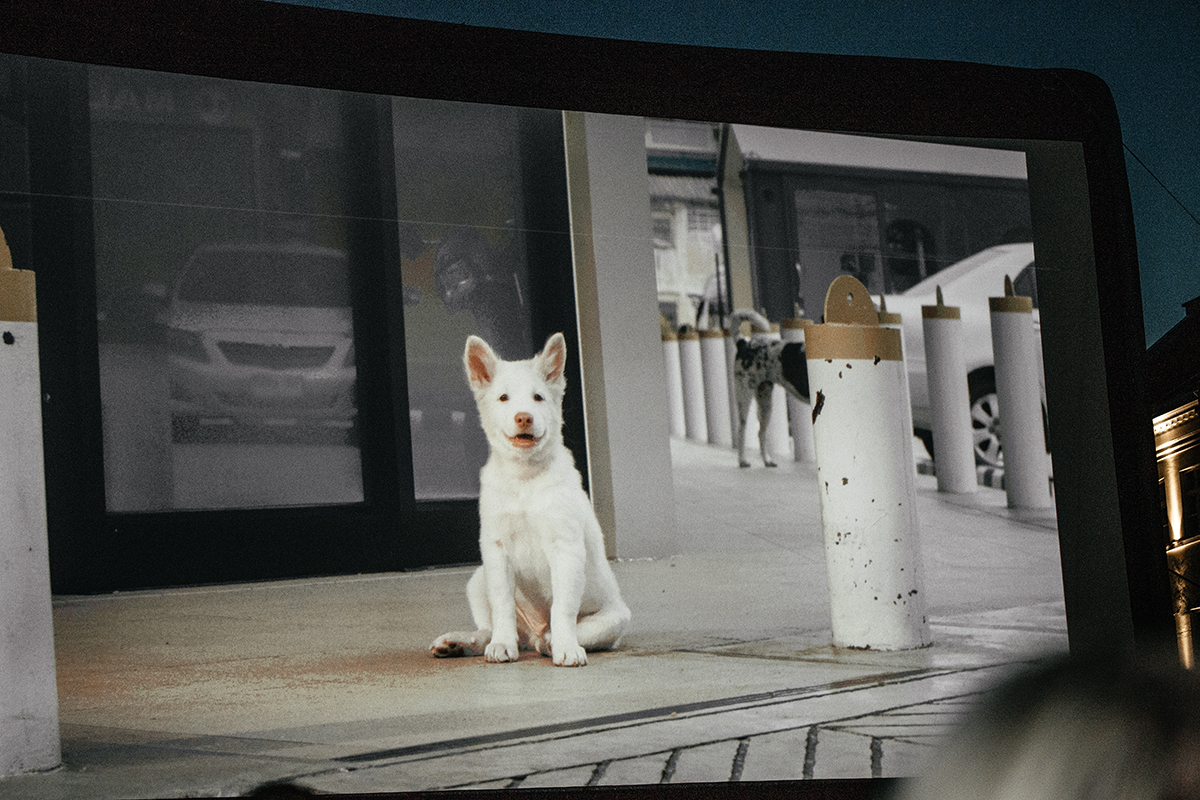
The festival opened with Gohan, a Thai film about a white dog whose life becomes intertwined with the lives of different people. Told across three chapters directed by three filmmakers, the story follows Gohan from puppyhood to old age. Owners and circumstances change, as do the dog's names, yet Gohan continues to connect people who might otherwise never have met.
The dog brings joy to an elderly Japanese engineer, helps expose a scam at an animal shelter, and inspires an act of compassion from someone who risks deportation by helping him.
Gohan does not try to reconcile people or change their destinies. He simply exists alongside them — and that turns out to be enough to set something in their lives in motion.
It is a story not only about the bond between humans and animals, but also about loneliness, compassion, and the ability to care for someone beyond ourselves. It shows how taking responsibility for another living being can sometimes help a person reconnect with the world.
Perhaps this is why stories like these cross linguistic and cultural boundaries so effortlessly. Empathy does not always require an explanation. Sometimes, all it takes is a look, a gesture, or a living creature that simply needs someone to notice it.
But love in the Tartuff programme does not always take the form of caring for someone else. Sometimes, it begins with an attempt to listen to oneself again.
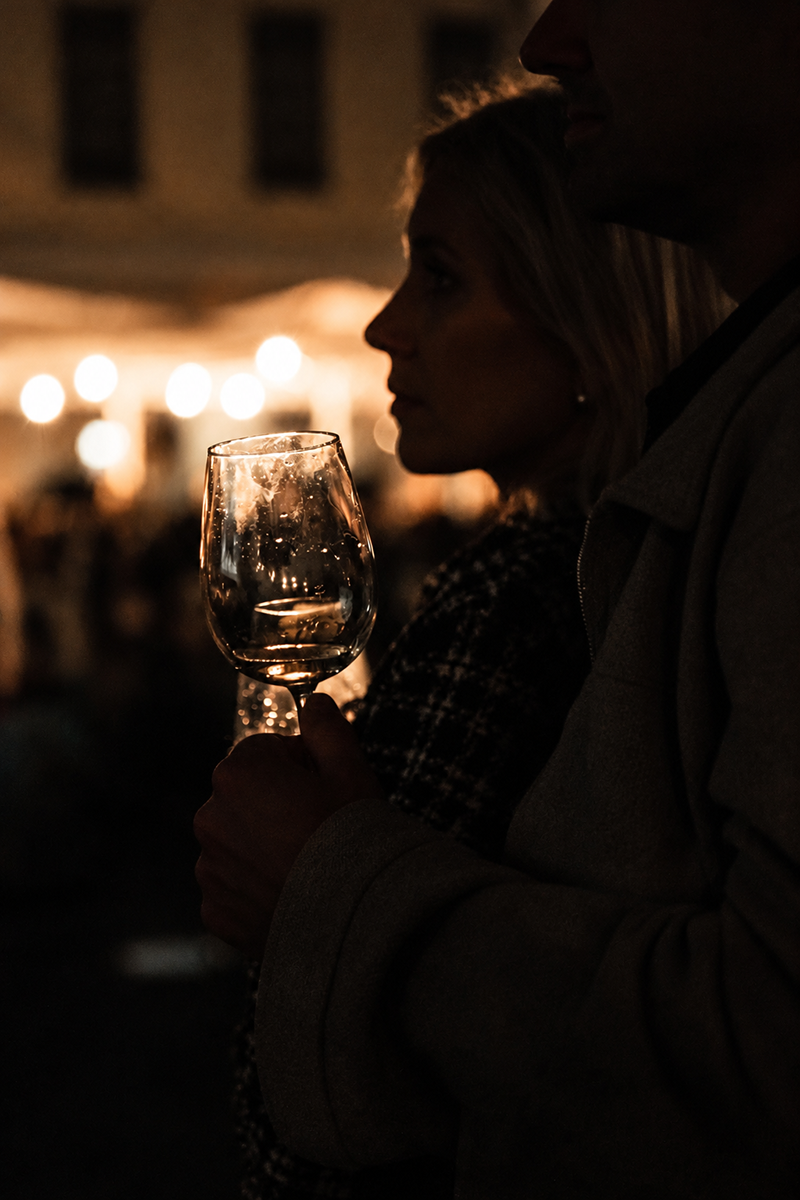
In the Spanish film Viva, director Aina Clotet tells the story of Nora, a woman who has survived breast cancer and returns to life with an unexpected hunger for pleasure, passion, and freedom.
Having confronted her own mortality, Nora no longer wants to take her life for granted. A supportive partner, new relationships, and impulsive decisions become part of her attempt to redefine her own desires.
What happens when a life-changing experience transforms not only the way we see life, but also the way we see ourselves? Can we return to the person we were before, or must we learn how to live all over again?
Viva offers no comfortable answer. It allows its heroine to remain contradictory, to make mistakes, to experience desires others may struggle to understand, and to search for her own path without a ready-made instruction manual.
Love here does not promise order. Instead, it becomes part of a more complex conversation about intimacy, freedom, sexuality, and the right to decide for oneself what it means to truly live.
Behind this story lies another conversation: how cinema finds its way to an audience.
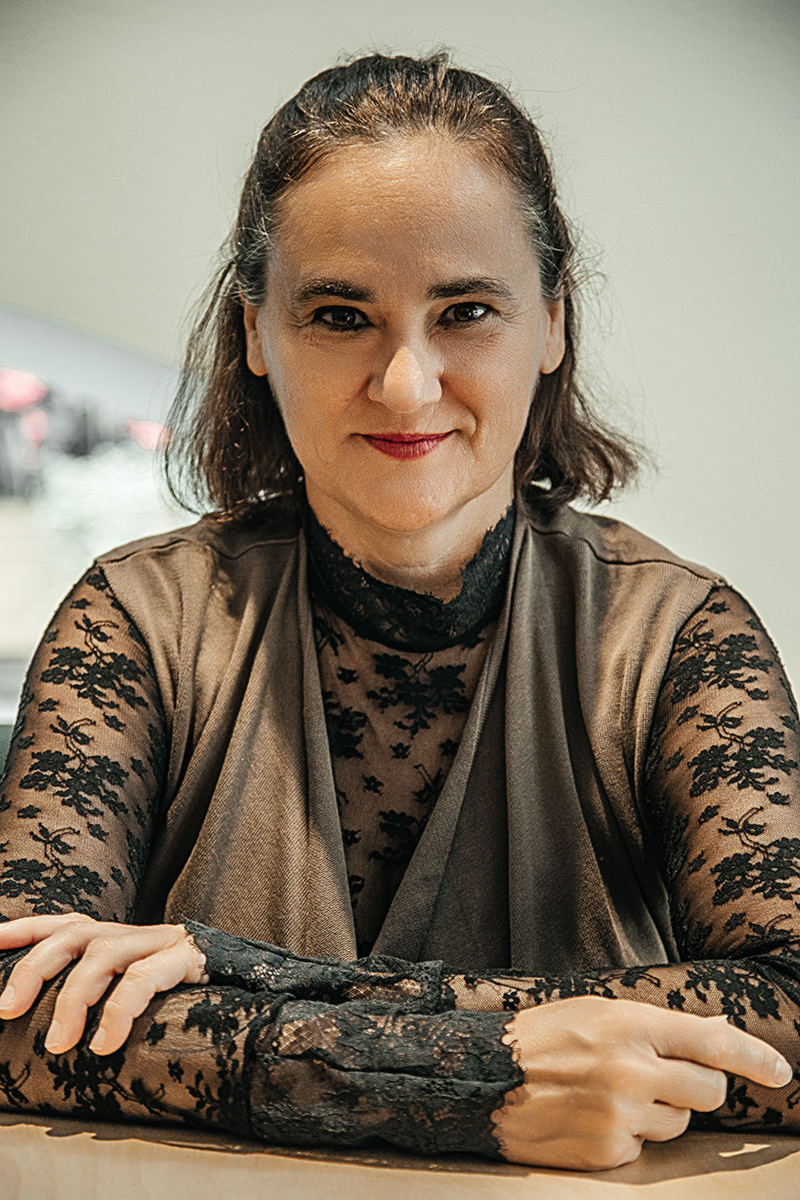
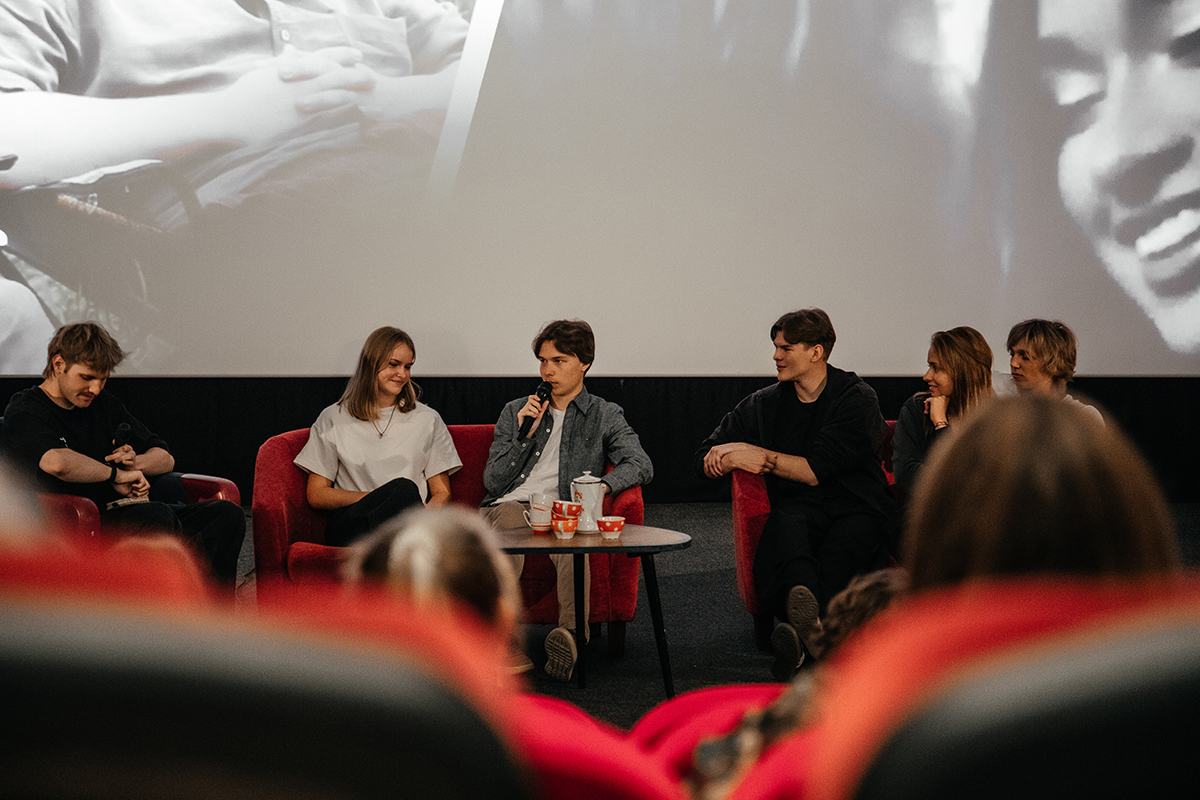
At Tartuff, Viva was represented not only by its director but also by its executive producer, Marta Baldó. In her conversation with HERZ HOUSE, they discussed the film, its protagonist, and why stories like this matter.
Meeting Marta adds another dimension to the film. Behind every image on screen lies the work of many people who help a story take shape and find its audience. The producer's perspective allows us to see cinema not only as a finished work, but also as the result of a shared creative process.
These encounters are part of what makes a festival a place of dialogue between those who create films and those who come to watch them.
Gohan and Viva tell very different stories. One observes how an animal changes the lives of the people it encounters. The other explores the inner transformation of a woman rediscovering herself after a life-changing ordeal.
Yet both return us to the same question: what helps us remain connected to life?
Sometimes, it is caring for someone else. Sometimes, it is the freedom to listen to ourselves at last. And sometimes, it is the chance to recognise our own experience in a story told by a complete stranger.
These are the kinds of stories that bring Tartuff together. Not a single answer to the question of love, but many different ways of asking it.
IN SEARCH OF THE FILM YOU NEVER EXPECTED
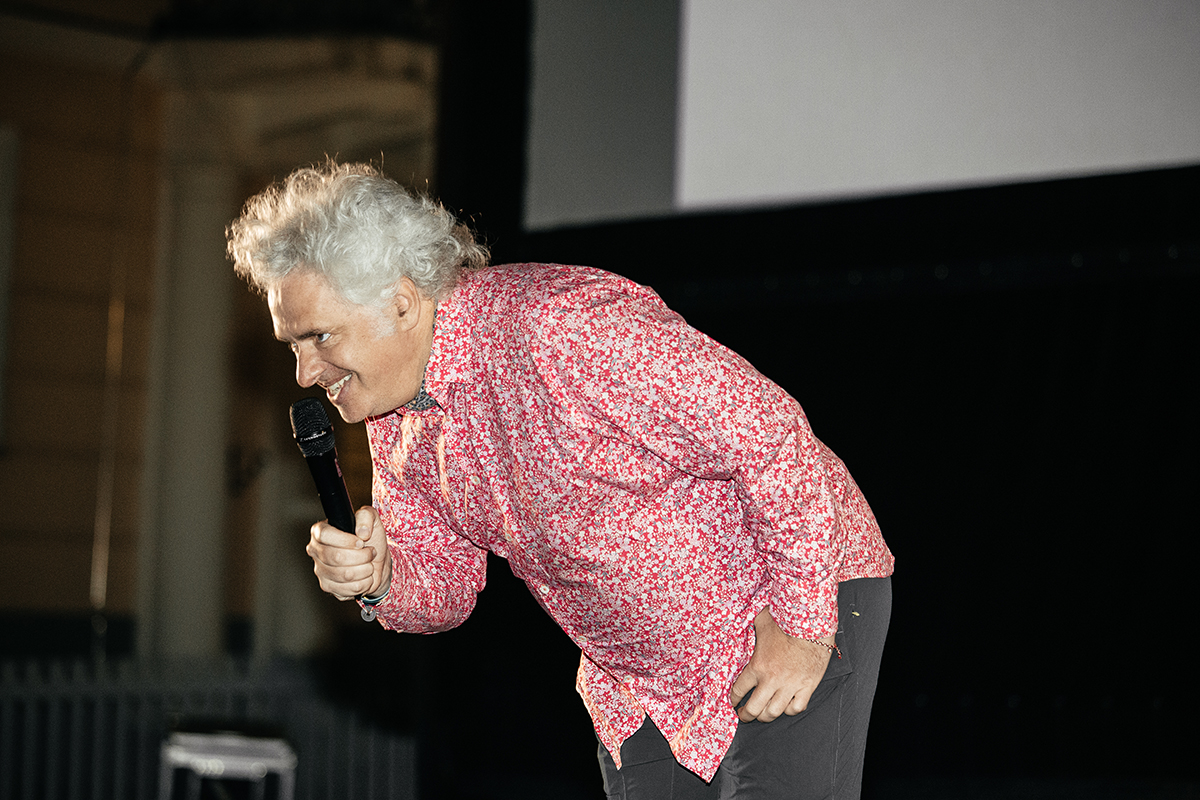
For Edvinas Pukšta, who oversees Tartuff's film programme, cinema is an endless territory of discovery.
He watches more than a thousand films a year. At that scale, it would be easy to turn cinema into a system of genres, ratings, and professional decisions. Yet in his conversation with HERZ HOUSE, Edvinas returns to something else: curiosity, intuition, and the ability to discover what you were never looking for.
Not every film needs to confirm what we already believe. Sometimes, the more important film is the one that makes us pause, reconsider our position, or unexpectedly feel close to someone whose life is entirely different from our own.
Programming resembles creating a journey without any guarantee that the audience will arrive at the destination you imagined. You can assemble a programme, carefully consider the sequence of screenings, and present your discoveries to the public. But a film's ultimate meaning emerges only when it meets its audience.
And every viewer brings a different experience to that encounter.
This year's Tartuff programme brought together stories from different genres, countries, and generations. Contemporary dramas appeared alongside films that have long been part of cinema's collective memory. Here, a classic is not a museum piece but an opportunity to experience a familiar story again, in a different place and among different people.
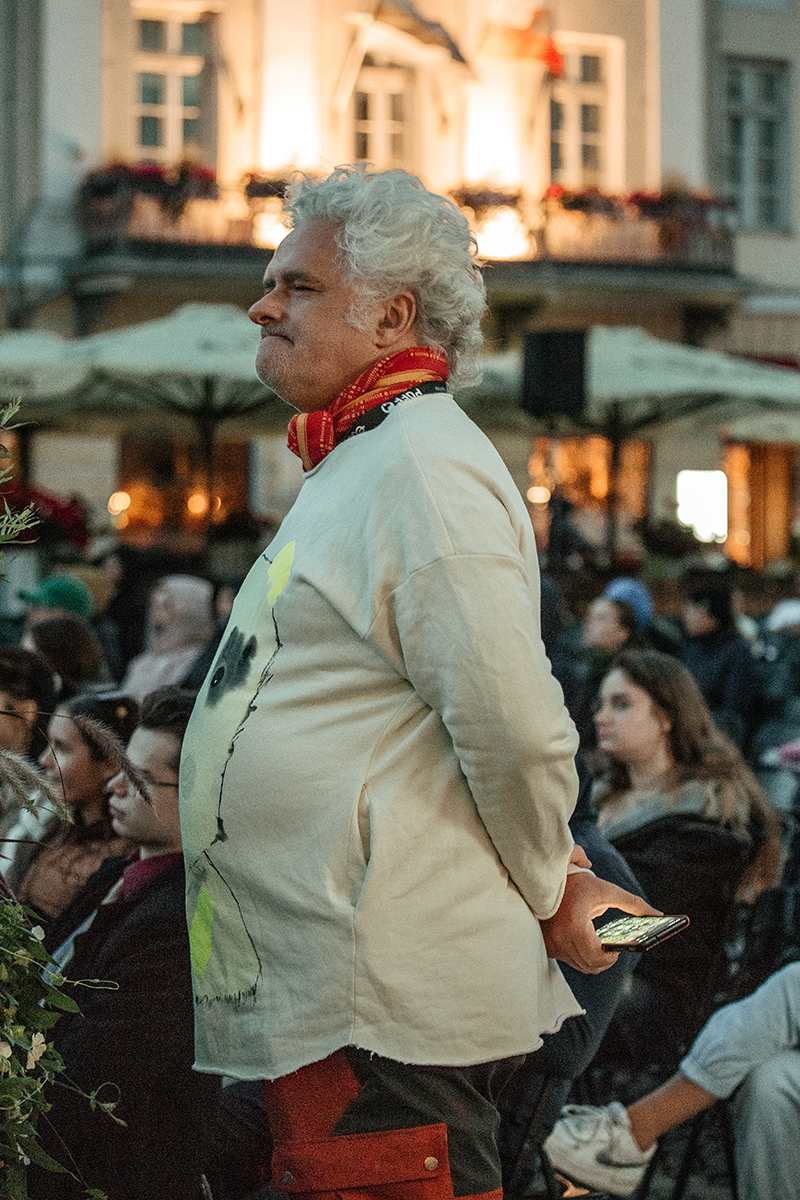
Edvinas's work involves searching for films that can engage audiences, surprise them, or encourage them to see familiar things differently.
Yet even the most carefully assembled programme cannot determine the festival's final meaning. That emerges when the films meet their viewers.
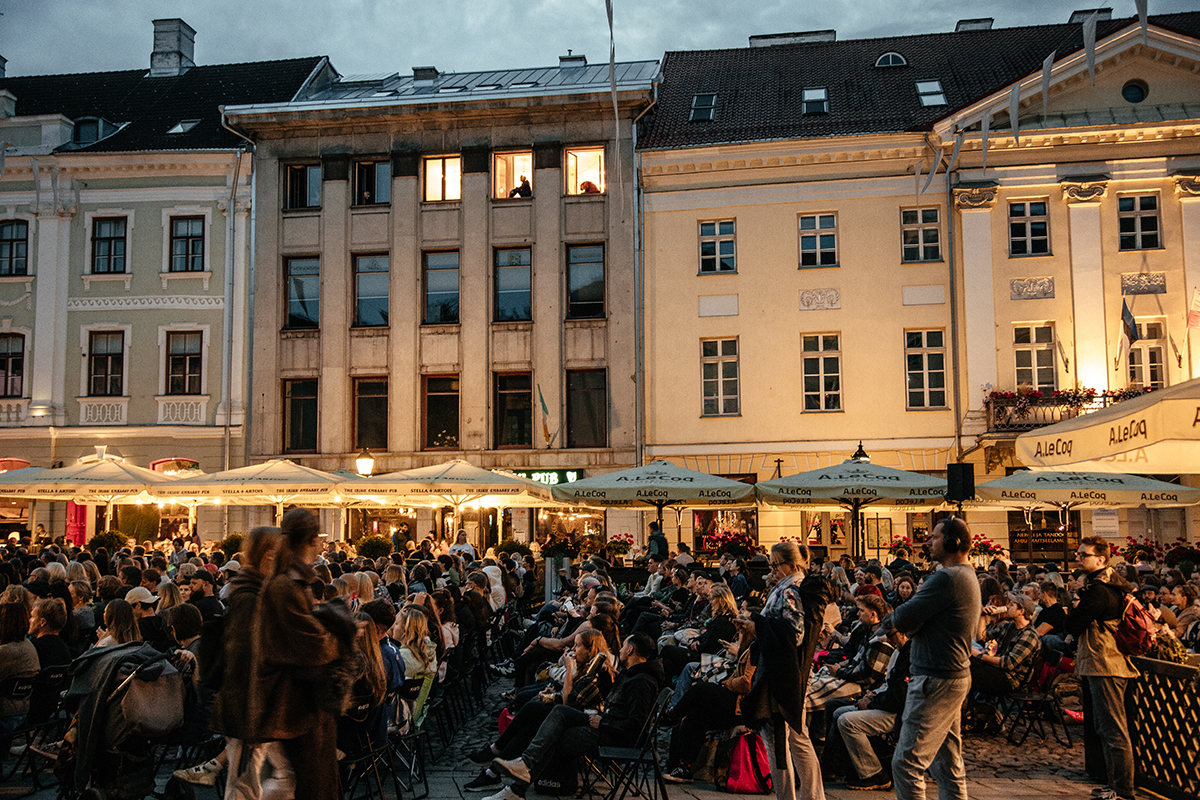
On Town Hall Square, this encounter takes on a particular character. You do not need to consider yourself a cinema expert to become part of the festival. You can simply walk into the square.
And discover that a film you chose almost by accident was precisely the story you needed to see.
A CITY WATCHING TOGETHER
In a conventional cinema, audiences arrive for a screening, take their seats, and gradually disappear into the darkness. Town Hall Square works differently.
Here, the audience remains part of the city. Life continues around the screen, the sky changes overhead, and the boundary between cinema and reality becomes less distinct.
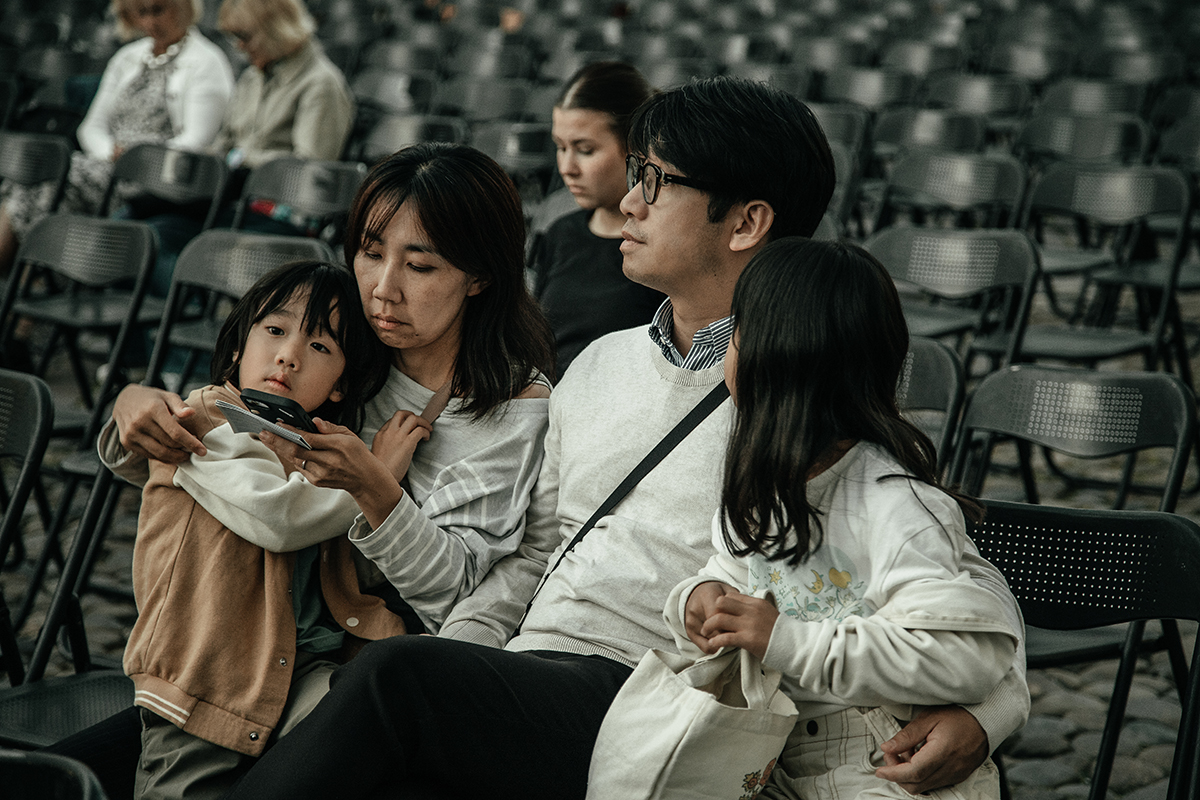
People arrive as couples, families, groups of friends, or on their own. Some follow every frame in silence. Others react aloud. Some watch not only the screen but also the people around them.
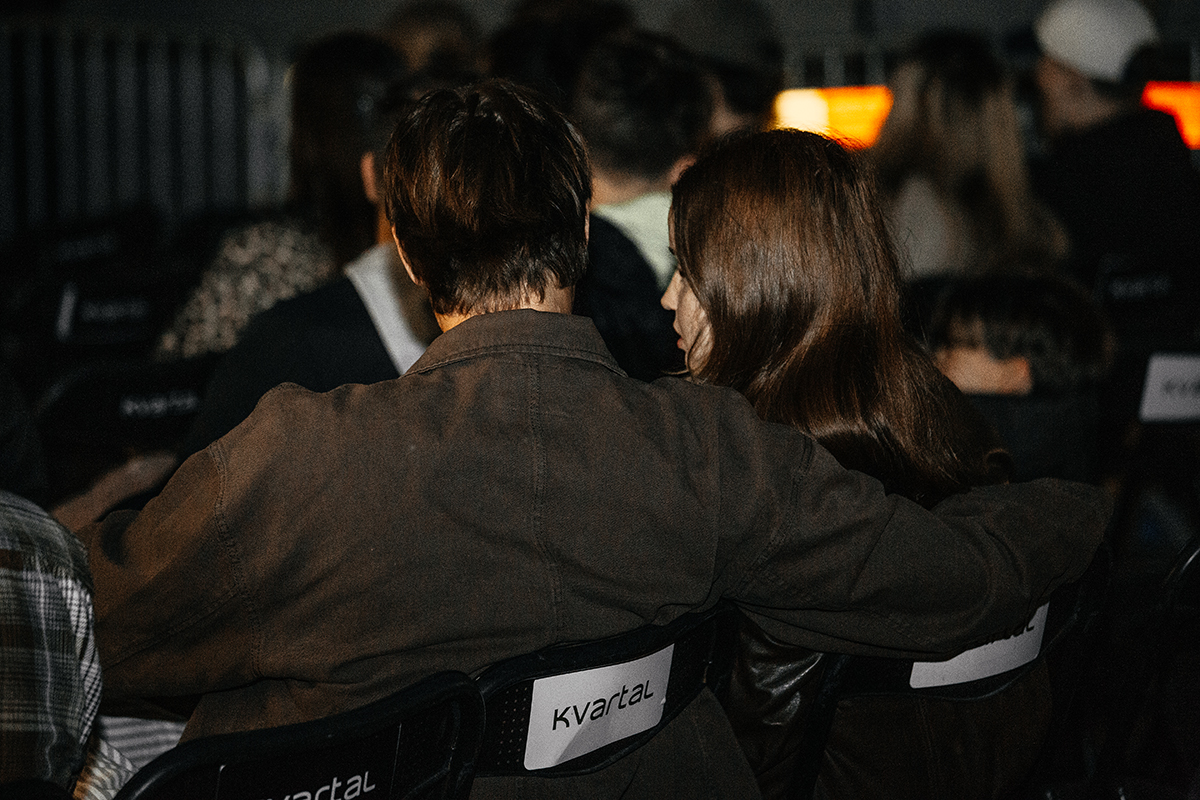
That is why Tartuff cannot be described through its programme alone.
Its atmosphere emerges from countless small details: the way people settle in before a film begins, the square gradually filling with spectators, the reluctance to leave immediately after the closing credits, and the conversations that continue long after the screening has ended.
The same scene may make some viewers laugh and leave others in uncomfortable silence. Sometimes a collective reaction intensifies an emotion; sometimes it reveals just how differently we can experience the same moment.
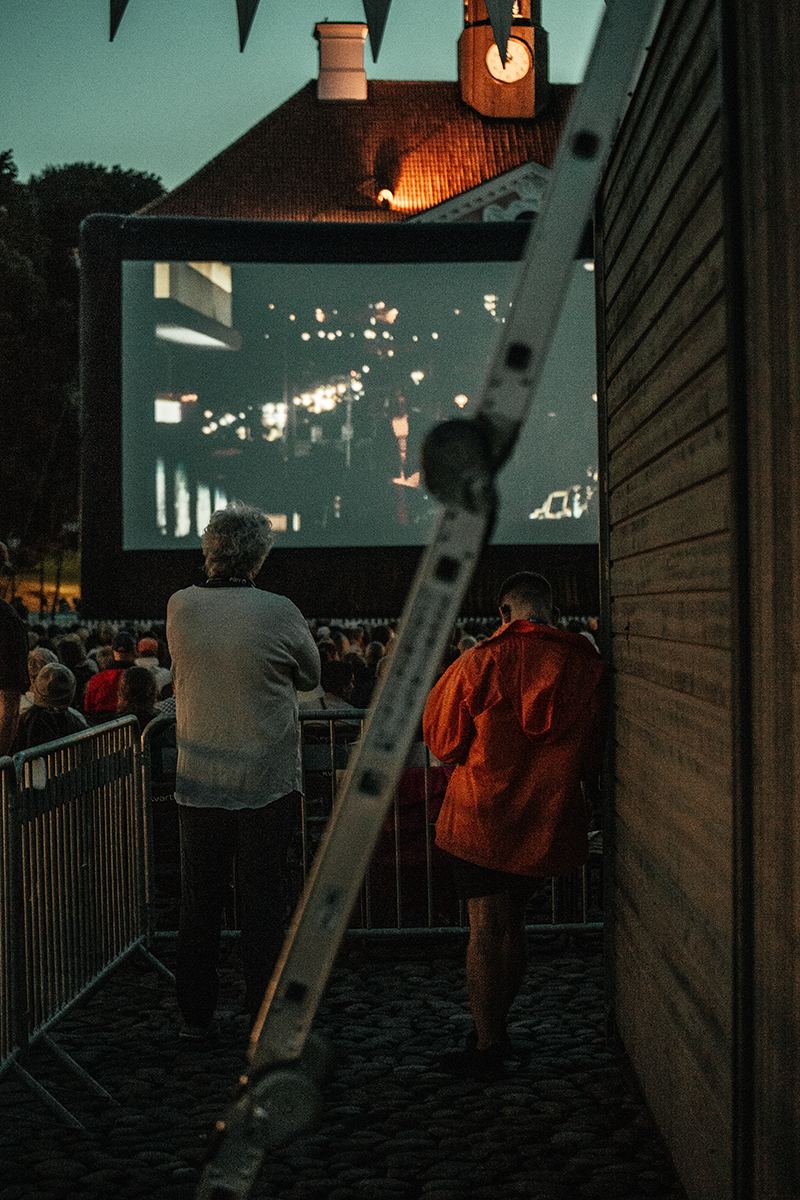
In the square, cinema becomes a shared experience without taking away the individuality of each viewer.
This is the particular value of open-air cinema. It does more than move a screen outdoors. It returns cinema to public space, allowing people to share an emotion with strangers and then continue their evening in a city that has, for a few hours, become one enormous cinema.
But this atmosphere has another side: the human work without which it could not exist.
KATARIINA KOEMETS: THE PEOPLE WHO BRING THE FESTIVAL TO LIFE
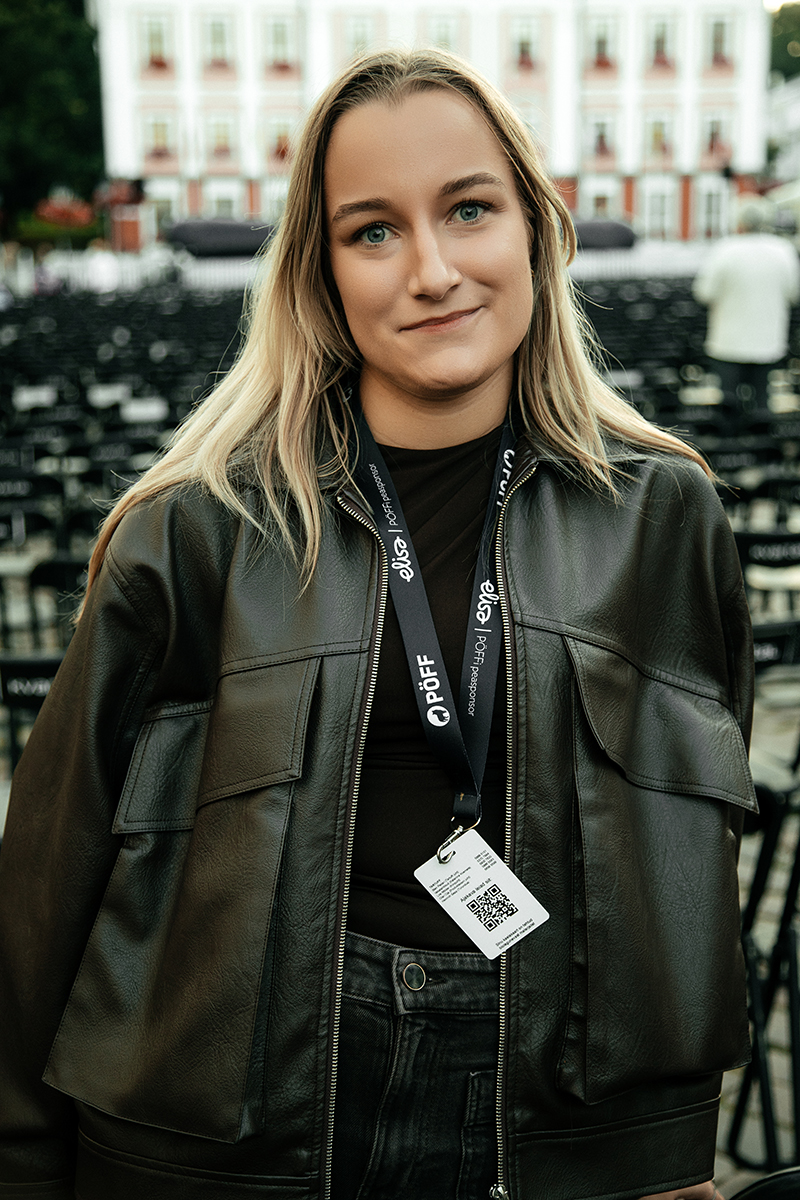
Every festival has two programmes.
The first is printed in the schedule: film titles, screening times, directors, countries, and genres.
The second cannot be contained in any catalogue. It consists of the people who welcome visitors, help them find their way, solve unexpected problems, coordinate teams, and sustain the invisible system that makes a festival feel like a natural part of city life.
One of the people behind this second programme is Katariina Koemets, Tartuff's Volunteer Coordinator.
She began as a volunteer herself and has spent the past two years leading the volunteer team. Her journey allows her to see the festival from both sides: as someone who once came to help, and as a coordinator responsible for bringing many people together.
It is easy to forget how much organisation is required to make a festival look effortless. Visitors see the screen, find their places, and become absorbed in a film. Behind that experience are people whose work often remains outside the frame.
For Katariina, Tartuff is much more than a series of film screenings. She describes it as one of the most important parts of Tartu's summer.
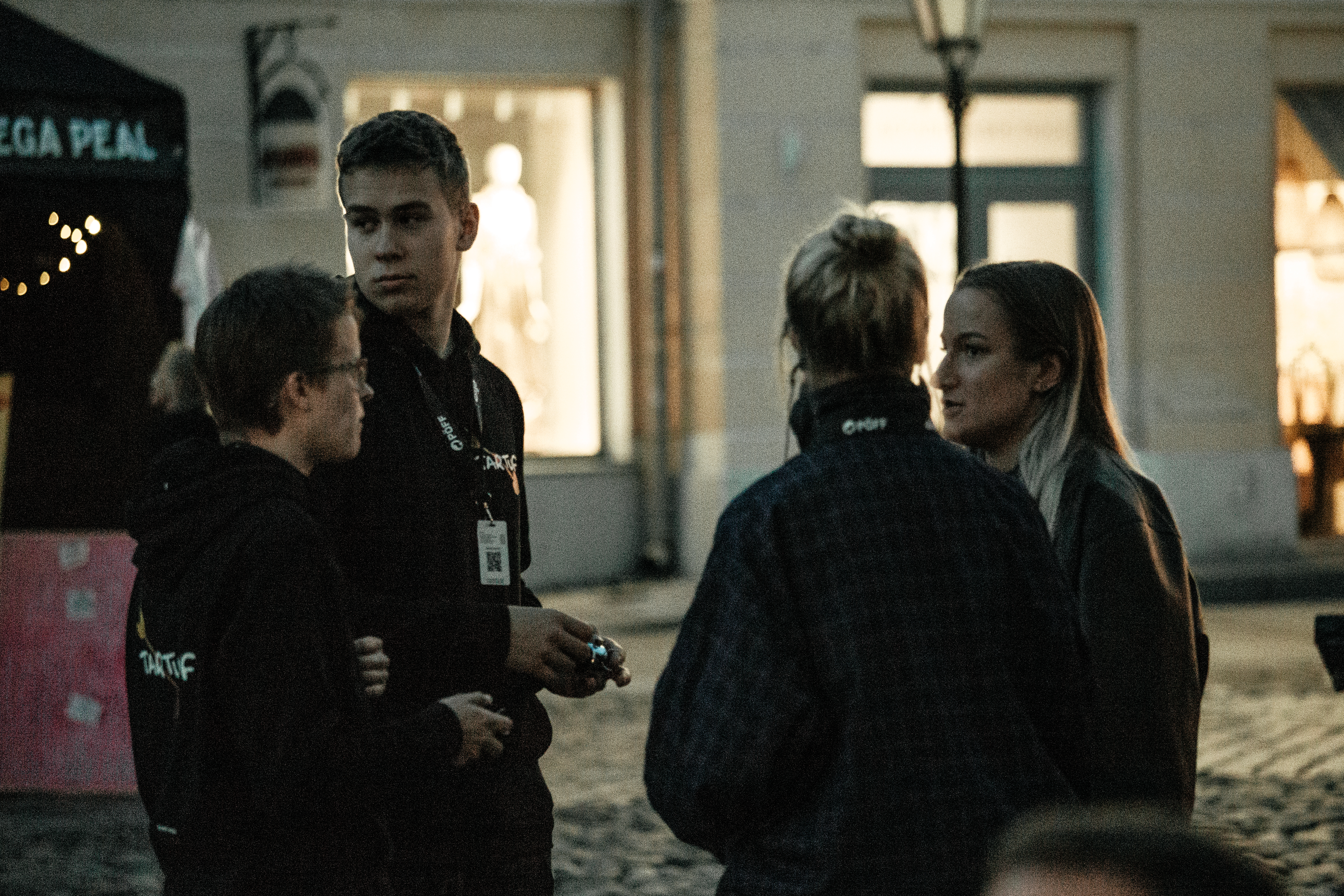
There is more to this thought than professional attachment. A festival becomes part of a city's life because people are willing to invest their time, energy, and attention in it. Volunteering transforms a large cultural event into a shared undertaking in which every participant contributes to the whole.
But Katariina's interest extends beyond the organisational side of the festival.
She studies psychology and researches film perception, bringing together an academic interest in how we experience cinema with her practical experience of working at a festival.
How do viewers respond to what they see? Why does one story leave a lasting impression while another is quickly forgotten? How can films expand our understanding of people whose lives differ from our own? And can cinema change the way we look at the world around us?
These questions are particularly relevant to a festival that brings stories from different countries and cultures into one shared space.
As Katariina puts it, cinema opens different windows and broadens our horizons.
It is an apt description of what a powerful film can do. For a while, we enter someone else's experience. We return to our own lives with a slightly broader understanding of what it means to be human.
Katariina's work connects two sides of this idea. On one side is the practical care for the people who make the festival possible. On the other is an interest in how people experience the stories cinema tells them.
There is a particular logic to this: a festival devoted to love and human relationships is itself built on relationships long before the first kiss appears on screen.
Perhaps this is why the contribution of volunteers cannot be measured only by the number of tasks completed. They help create a sense of welcome, participation, and shared belonging.
A visitor may never learn the names of the people who helped make their evening possible. But they will feel the result of their work.
MEETING AT A FESTIVAL — AND STAYING TOGETHER
Sometimes, the most revealing story about a festival is not on the screen but among the people watching it.
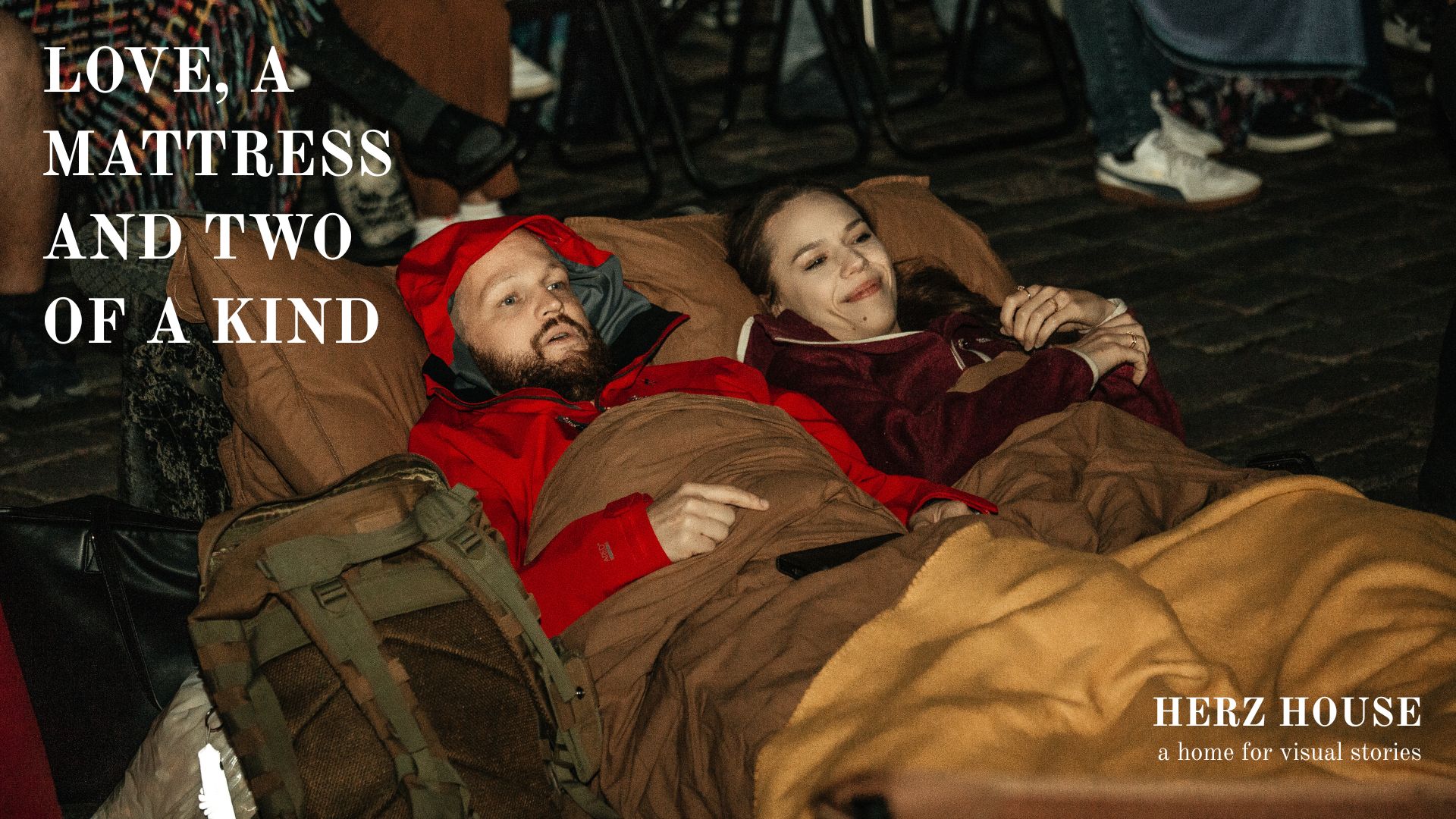
Margo Soom and Vanessa Vähi met at Tartuff many years ago. Today, they return as a couple.
There is an almost cinematic symmetry to their story: a place where people gather to watch love stories became the beginning of one of its own.
Their encounter reminds us that a festival can be more than a place to watch other people's stories. Sometimes, it becomes the place where our own story begins.
For some, a festival ends with the final credits. For others, it continues long after the square has emptied, through memories, relationships, and traditions that gradually become part of their lives.
Margo and Vanessa's story shows that a cultural event cannot be measured solely by the number of screenings or visitors it attracts. Its influence may reveal itself years later, in a connection that began by chance and became more significant than the chance encounter itself.
People may forget the title of the film they watched that evening. But they may remember the person sitting beside them.
Or continue returning to the place where they first met.
ELEKTRITEATER: STORIES THAT DO NOT END WITH THE CREDITS
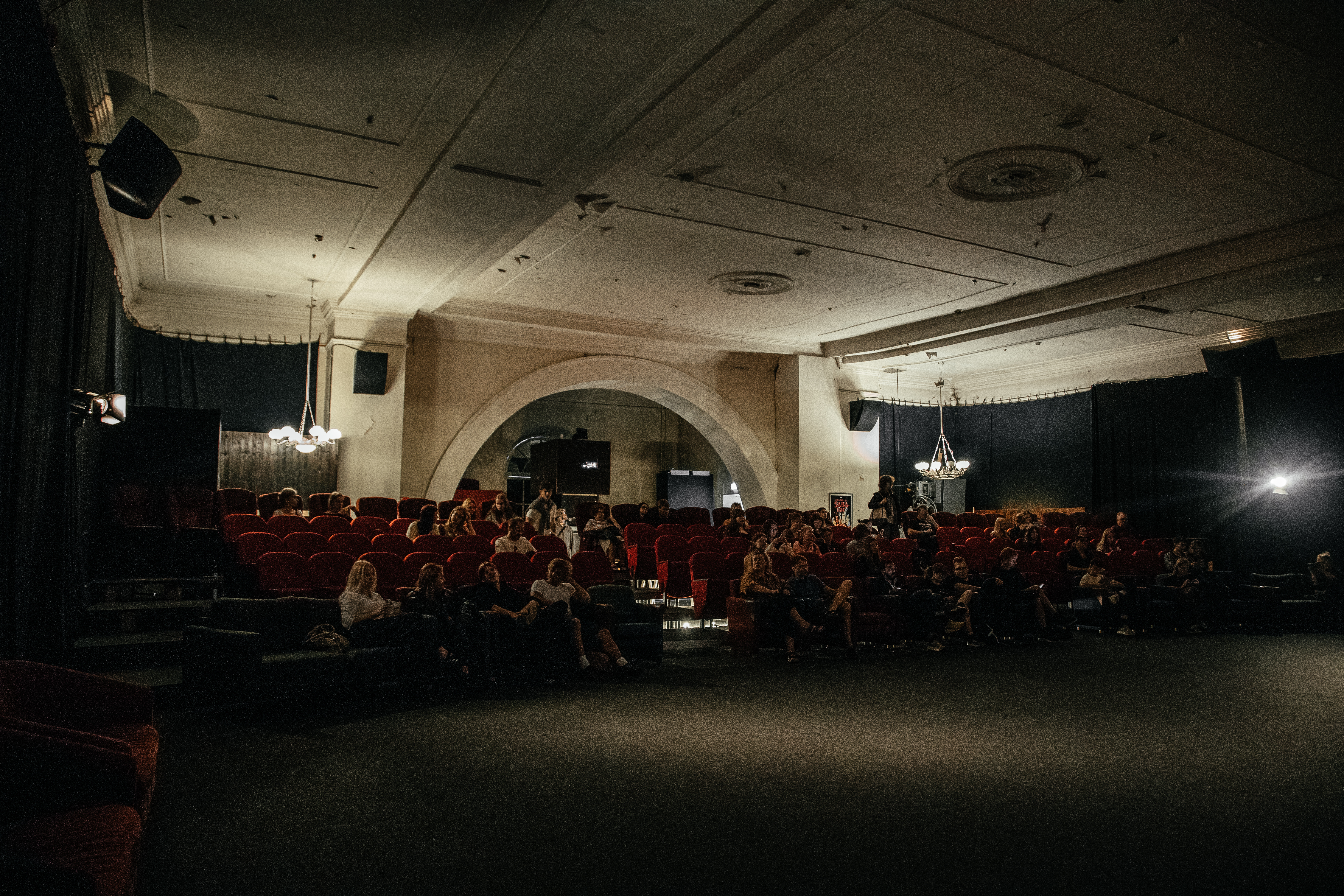
If Town Hall Square transforms cinema into a collective experience, Elektriteater offers a different way of encountering stories.
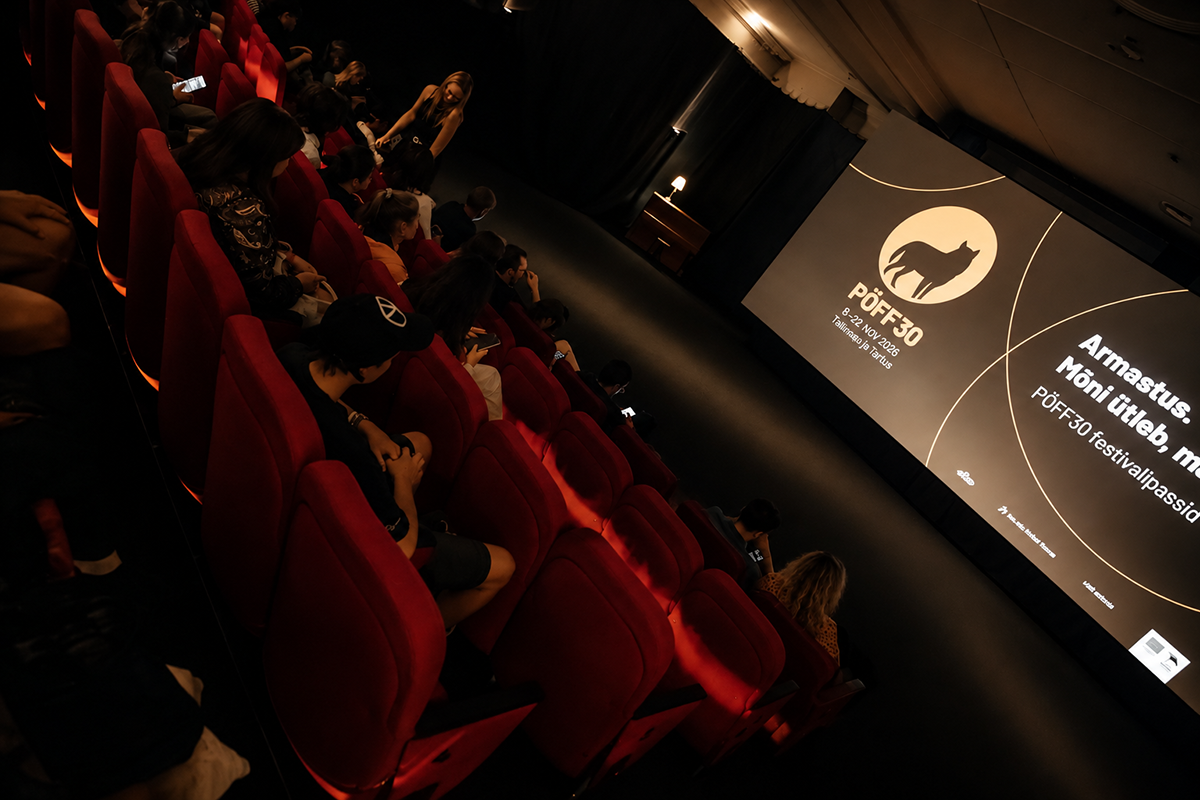
It hosted Tartuff's documentary programme: eight films about love, friendship, family, identity, and human connection across cultures and generations.
Documentary cinema does not always offer the comfort of distance. Real circumstances can be painful, ambiguous, and unresolved, without the neat endings we have come to expect from fictional narratives.
That may be precisely why some documentaries stay with us longer.
In 10s Across the Borders, dance culture becomes a space of community and hope. Birds of War tells a love story unfolding across thirteen years of revolution, war, and exile. The Cycle of Love follows a street artist from Delhi as he travels across continents to reunite with the woman he loves.
The Blind Couple from Mali turns its attention to the musical duo Amadou and Mariam, while In-I in Motion offers a glimpse of the acclaimed actress Juliette Binoche through her work with dance.
Other films explore family, an unexpected pregnancy, childhood, friendship, and cultural phenomena that can connect people who might otherwise seem worlds apart.
At Elektriteater, love becomes more than a romantic plot. It becomes a way of living alongside others, enduring loss, resisting circumstances, preserving memory, and continuing forward when simple solutions do not exist.
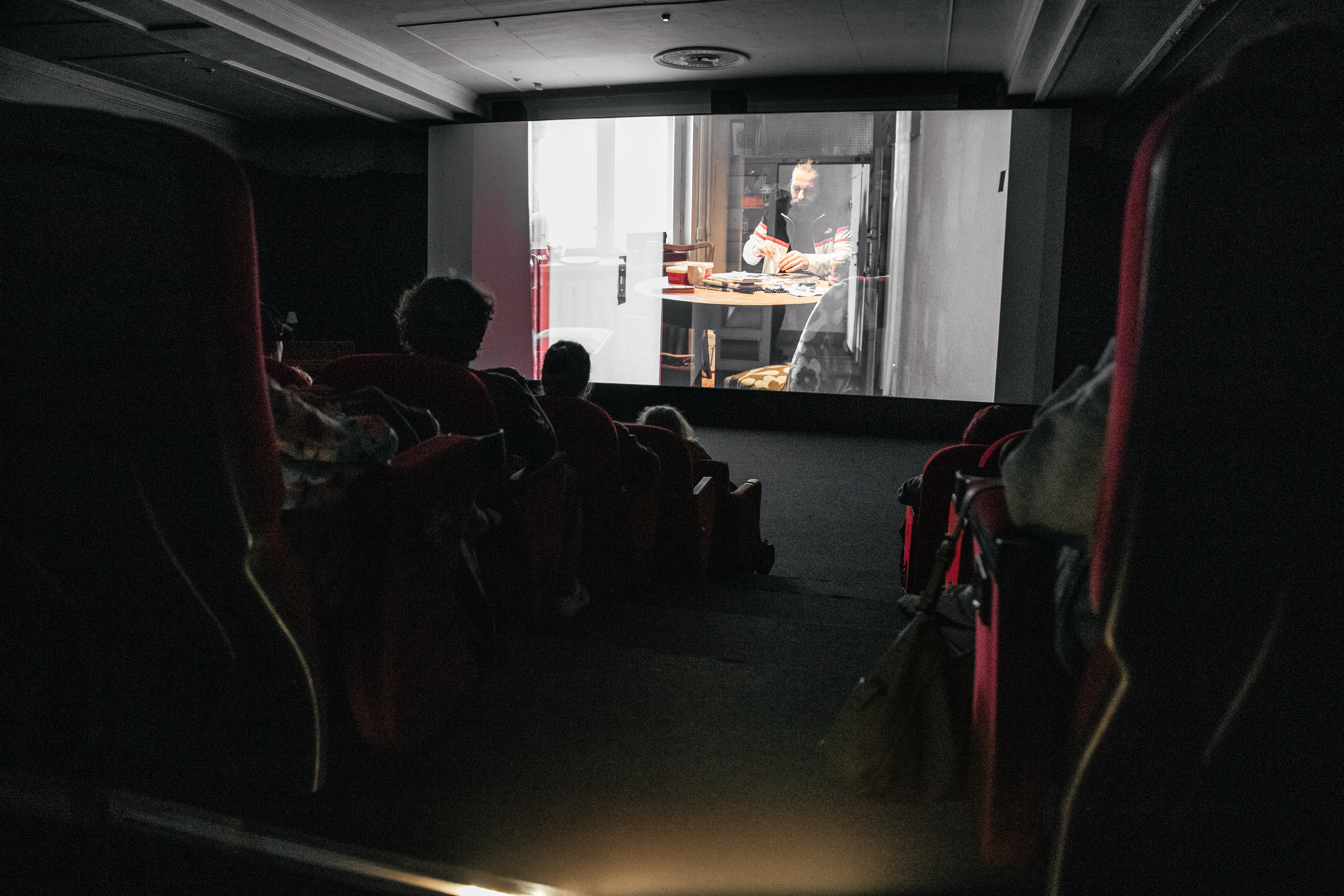
There is no need to reduce everything to a happy ending. Sometimes, it is enough for the camera to allow us to see a person as they are, with the complexities, contradictions, and hopes that cannot always be expressed in words.
If open-air cinema brings thousands of people together beneath one sky, the smaller setting of Elektriteater creates another kind of intimacy: quieter, more concentrated, and attentive to detail.
These are two different forms of shared experience, each complementing the other.
EMERGING CINEMA AND THE RIGHT TO ASK QUESTIONS
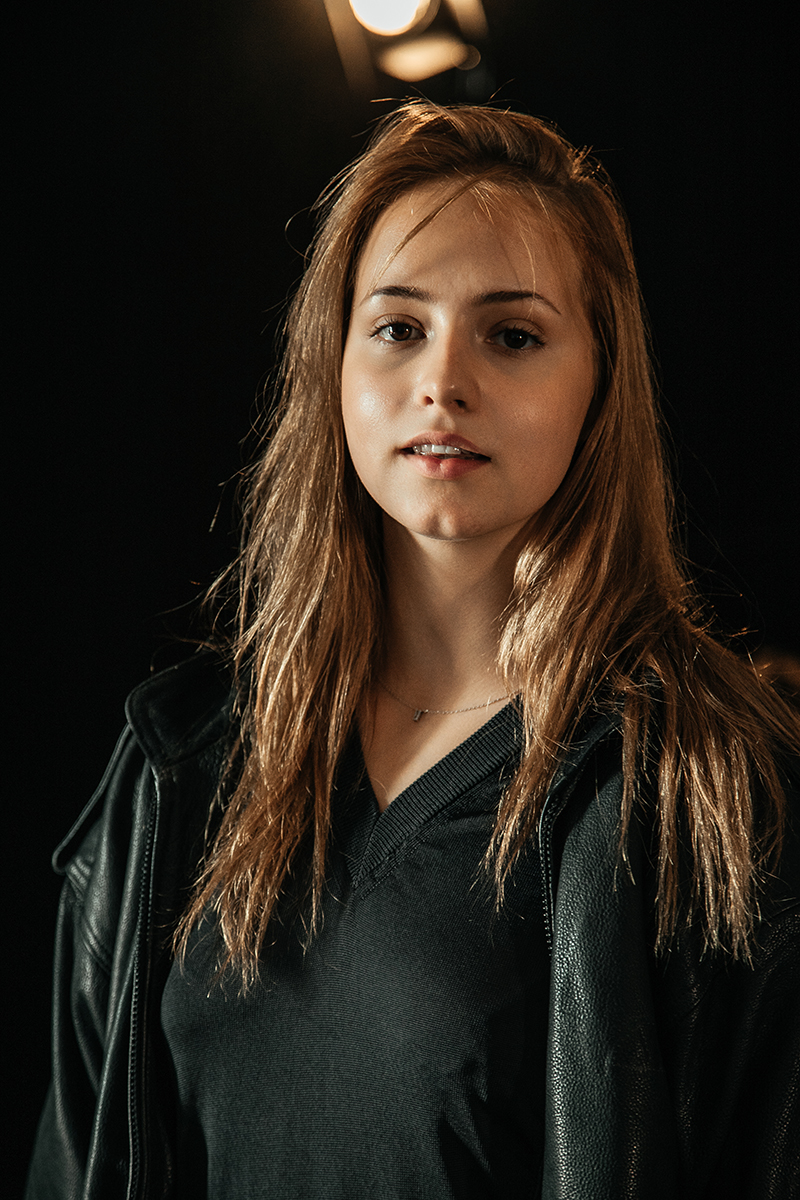
The festival also made room for films by emerging filmmakers.
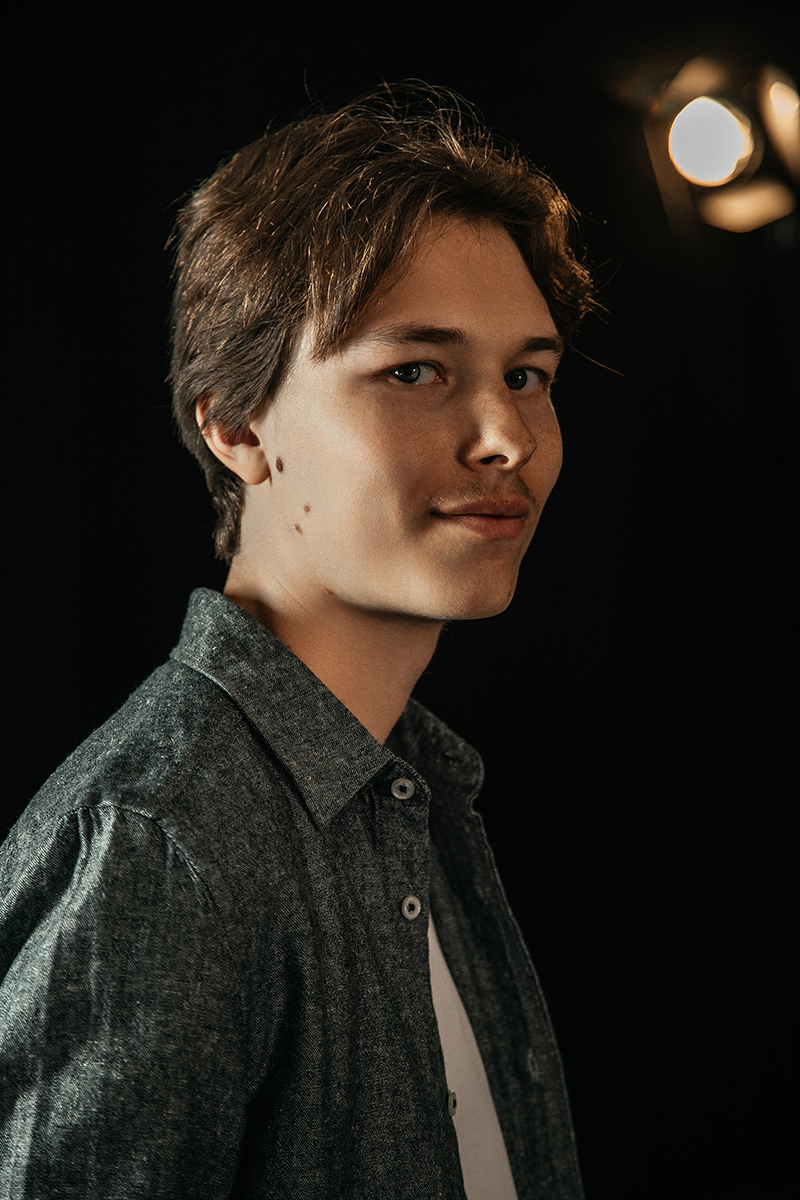
As part of the Just@Tartuff youth programme, audiences were introduced to Maia Teemusk's Idiot and Hans Joosep Tamme's Sauna Time.
In her conversation with HERZ HOUSE, Maia reflected on how ideas emerge and the forms they might take beyond their original conception. In his interview, Hans explored the ways ordinary situations can take unexpected turns.
Both conversations point towards an essential truth about filmmaking: before a film becomes a finished work, it begins with an observation, a doubt, or a question to which its creator does not yet know the answer.
The title Idiot itself leaves room for interpretation. Sauna Time similarly draws on the possibility that an everyday situation can suddenly take on an unexpected dimension.
These films operate on a different scale from major international productions, yet they make the emergence of an individual artistic voice especially visible.
Young cinema does not have to possess all the answers. Sometimes, its strength lies in asking questions that more experienced filmmakers have learned to avoid.
For a festival, this is an opportunity not only to present established work but also to create a space in which new voices can be heard.
For the audience, it is a reminder that cinema is never a finished form. It continues to change, search for new expressions, and introduce us to people whose stories are only beginning to be told.
WHEN CINEMA BECOMES MUSIC
The final evening of Tartuff belonged to Baz Luhrmann's Moulin Rouge!.
In the film's 25th anniversary year, this story of love returned to the big screen, where its scale, music, colour, and emotional extravagance could unfold in full.
The world of Moulin Rouge! is built on contrasts. The glamour of a Parisian cabaret exists alongside tragedy; the desire to be loved collides with the fear of loss; and art becomes both a refuge and a source of pain.
This is not restrained cinema. It exaggerates, dazzles, rushes, sings, and seems determined to fit more emotion into one story than a person could experience in an ordinary evening.
Yet beneath all the theatricality lies a simple human need: to love and be loved, even when happiness proves painfully brief.
As the festival's closing film, it felt particularly fitting. After eight days spent among stories of attachment, loneliness, freedom, memory, and human connection, Moulin Rouge! seemed to gather together the different emotional registers of Tartuff.
Here, love was celebration and loss, dream and reality, promise and risk.
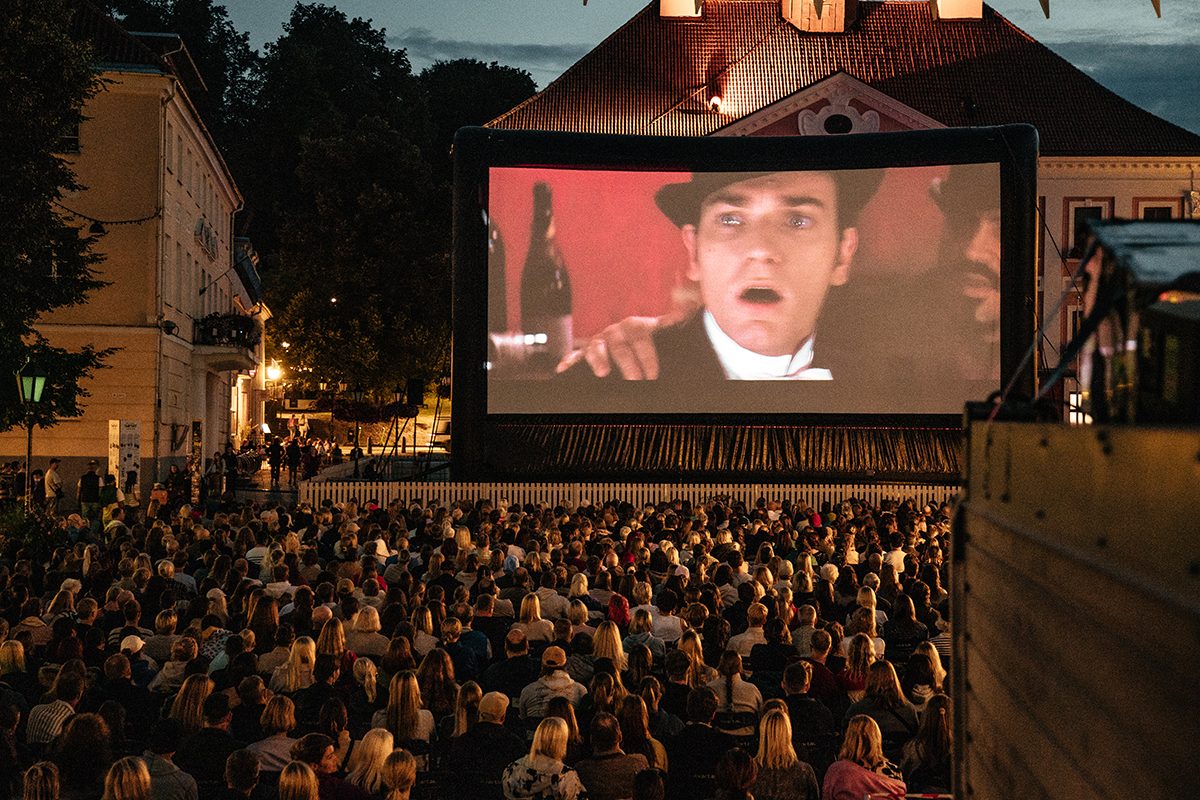
The film received the festival's Audience Award. It was a fitting final note: after so many different stories, the last word belonged to the viewers, who chose the one that resonated with them most.
The screen would go dark. The music would end. But some stories continue to play long after the audience has left the square.
WHAT REMAINS AFTER THE FINAL FRAME
Tartuff 2026 recorded approximately 11,000 visits. Behind that number are eight days, a multitude of films, and thousands of individual experiences.
Statistics cannot explain why one person attended for the first time while another has been returning for years. Why strangers laugh at the same scene. Why a story about a dog in Thailand, a Spanish drama about the desire to live, or a documentary about love amid war can resonate with audiences in a small Estonian city.
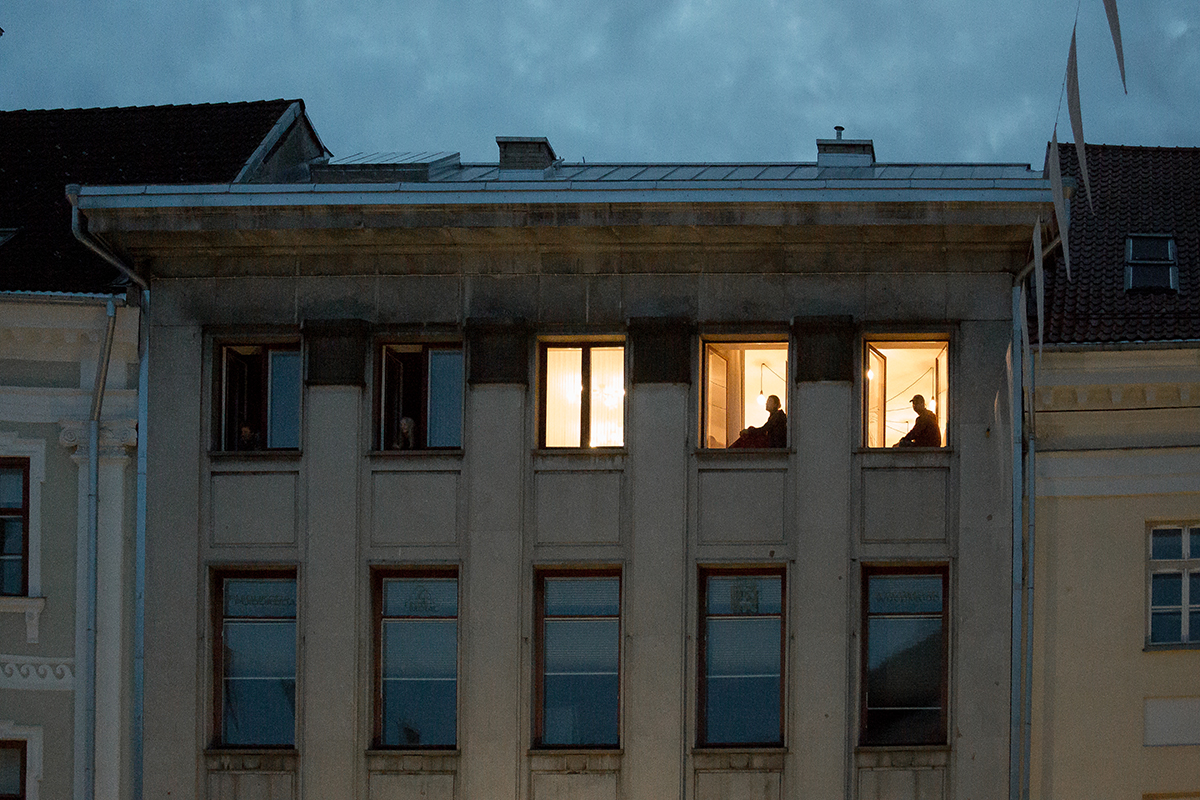
Perhaps it is because cinema does not erase the differences between people. It allows us, for a moment, to see the world through someone else's eyes. We do not necessarily have to agree with them, but we can try to understand.
A festival creates the conditions for that experience to become collective.
This year, Tartuff presented stories about love and death, desire and responsibility, friendship and loneliness. There were films that made people laugh and others that left them wanting to remain silent. There were new names, familiar faces, and spectators whose relationship with the festival has lasted more than a decade.
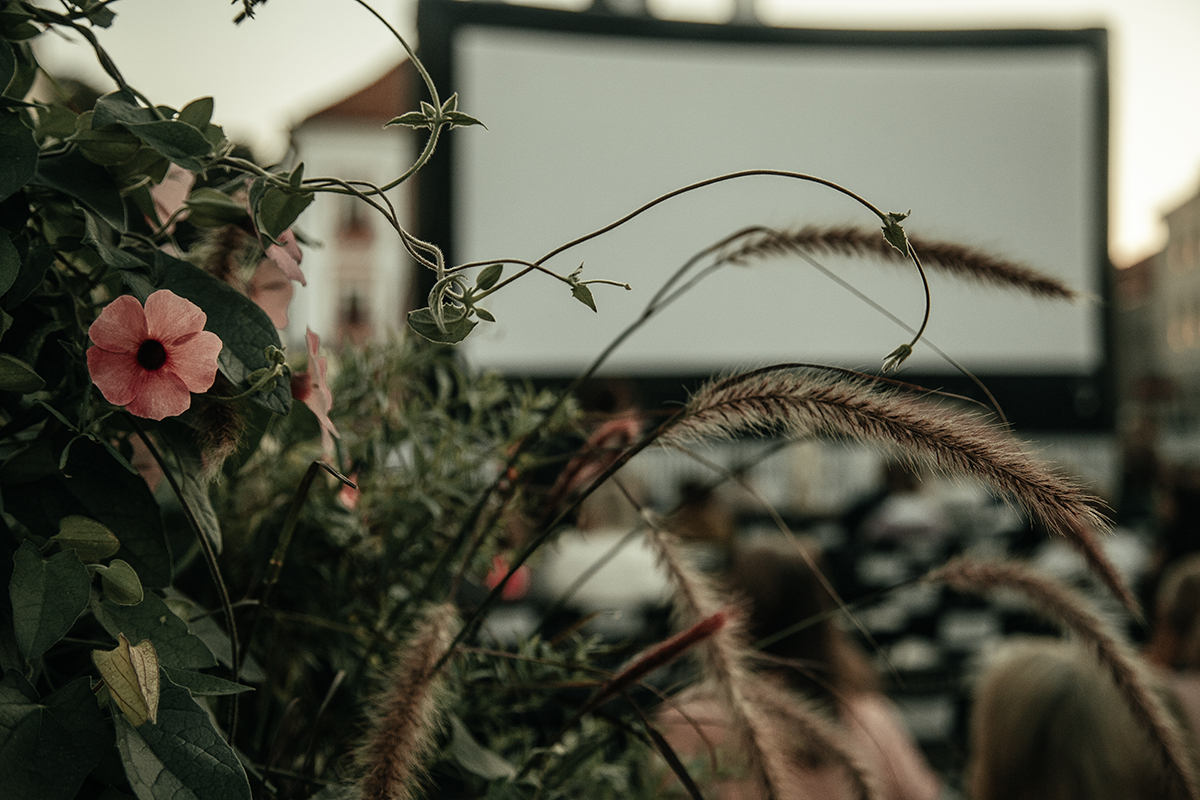
There were people who selected the films and people who helped bring them to the audience. Those who built the programme and those who created the atmosphere. Those who came to watch, and those who once met someone here and now return together every year.
As the square gradually returns to its familiar rhythm, the cinema screen disappears, and summer evenings give way to another kind of life, Tartuff does not entirely come to an end.
It remains in the conversation after a screening. In the memory of someone encountered by chance. In the desire to watch a film you knew nothing about before arriving. In the feeling that, for a few evenings, the city became a little closer to itself.
And perhaps it remains in one more thing: the understanding that stories do not necessarily end with the credits. Sometimes, they continue through the people who have seen them, the relationships that emerge because of them, and the world we look at a little differently afterwards.
Eight days of cinema. Thousands of perspectives. And countless stories that continue beyond the screen.